1. What is the most significant trend currently reshaping the fintech ecosystem?
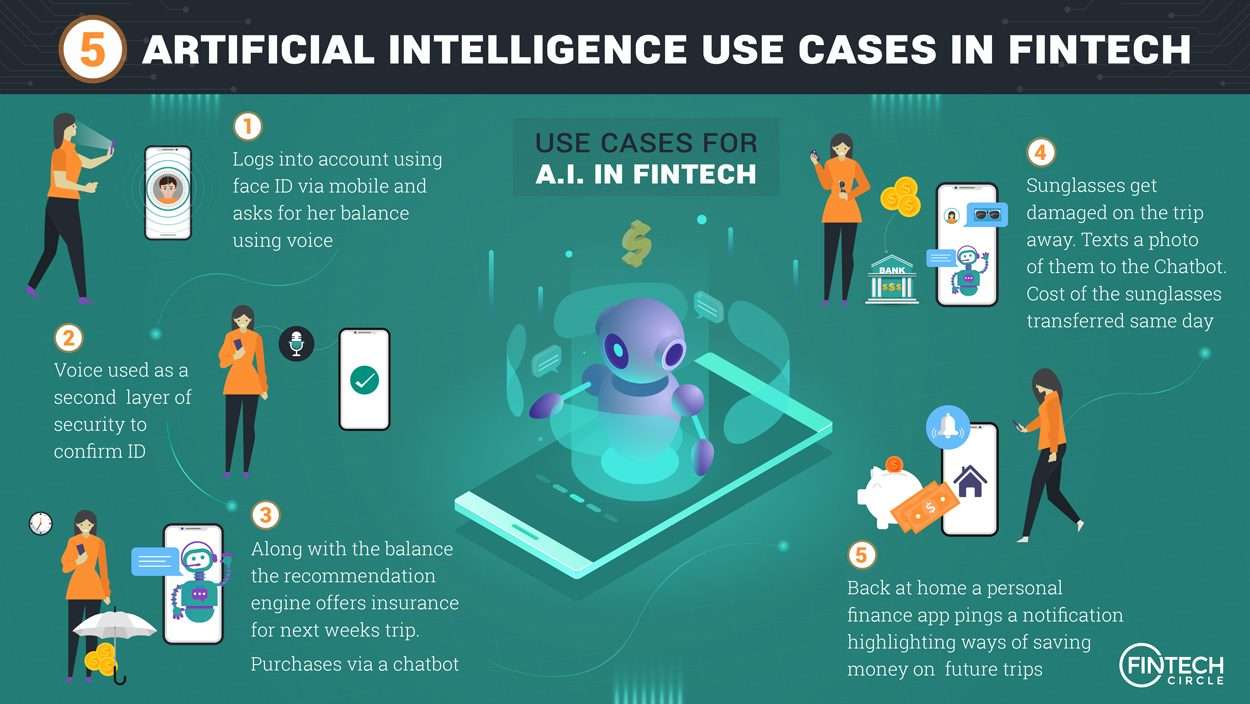
The most significant shift is the emergence of AI as a participant in financial decision-making rather than simply a tool for operational efficiency. Agentic AI will increasingly influence how consumers save, invest and manage money, while autonomous systems begin interacting with one another across the financial ecosystem.
This fundamentally changes the strategic challenge for financial institutions. Competitive advantage will come not just from AI capability, but from building trusted, explainable systems that people are willing to rely on when making important financial decisions.
2. Where is fintech heading in the next 1-2 years, and what should executives be doing now to prepare?
Fintech is entering a new phase where competitive advantage will come less from digitising products and more from delivering intelligent, personalised financial guidance. As AI becomes increasingly agentic, financial institutions will shift from simply responding to customer requests to proactively helping customers make better financial decisions.
Executives should prepare now by treating AI as a strategic capability rather than a technology initiative. That means investing in trusted data, strong governance and explainable AI, while redesigning customer journeys around confidence and outcomes rather than efficiency alone. As regulation evolves, the organisations that combine innovation with transparency will be best positioned to earn trust and create long-term value.
3. What’s a judgment call from your career that best demonstrates the expertise you’d bring to a board?
“One of the most important judgment calls in my career was recognising that technology should follow strategy, not define it. After years of building B2B solutions for financial institutions, I realised we had become exceptionally good at designing products without asking a more fundamental question: who are we ultimately serving, and what prevents them from taking action?
That insight fundamentally changed how I think about innovation. I now start with the end customer, work backwards to the strategy, and only then determine the technology needed to deliver it. It’s a perspective I bring to every board discussion: challenge assumptions, stay relentlessly focused on customer outcomes, and ensure technology solves the right problems – not simply the most interesting one.”
4. How do you see Fintech evolve in response to AI adoption?
Wealth management is evolving from serving investors to developing investors. AI will allow institutions to meet customers where they are in their financial journey, providing the right guidance at the right moment to help them build confidence and take the next step.
Rather than replacing advisers, AI will expand access to personalised guidance for millions of people who have traditionally fallen outside the economics of advice. The firms that succeed will be those that use AI not simply to manage wealth, but to create the next generation of investors through trusted, transparent and human-centred experiences.
5. If a reader acts on only one thing from this interview, what should it be?
We’re at a fundamental shift in financial services. Technology alone is no longer enough. The real opportunity is to understand people better, support better decisions and build lasting trust.
“The future of finance isn’t just smarter – it’s AI that earns trust and helps people act with confidence.”
Founder & CEO AllVesta