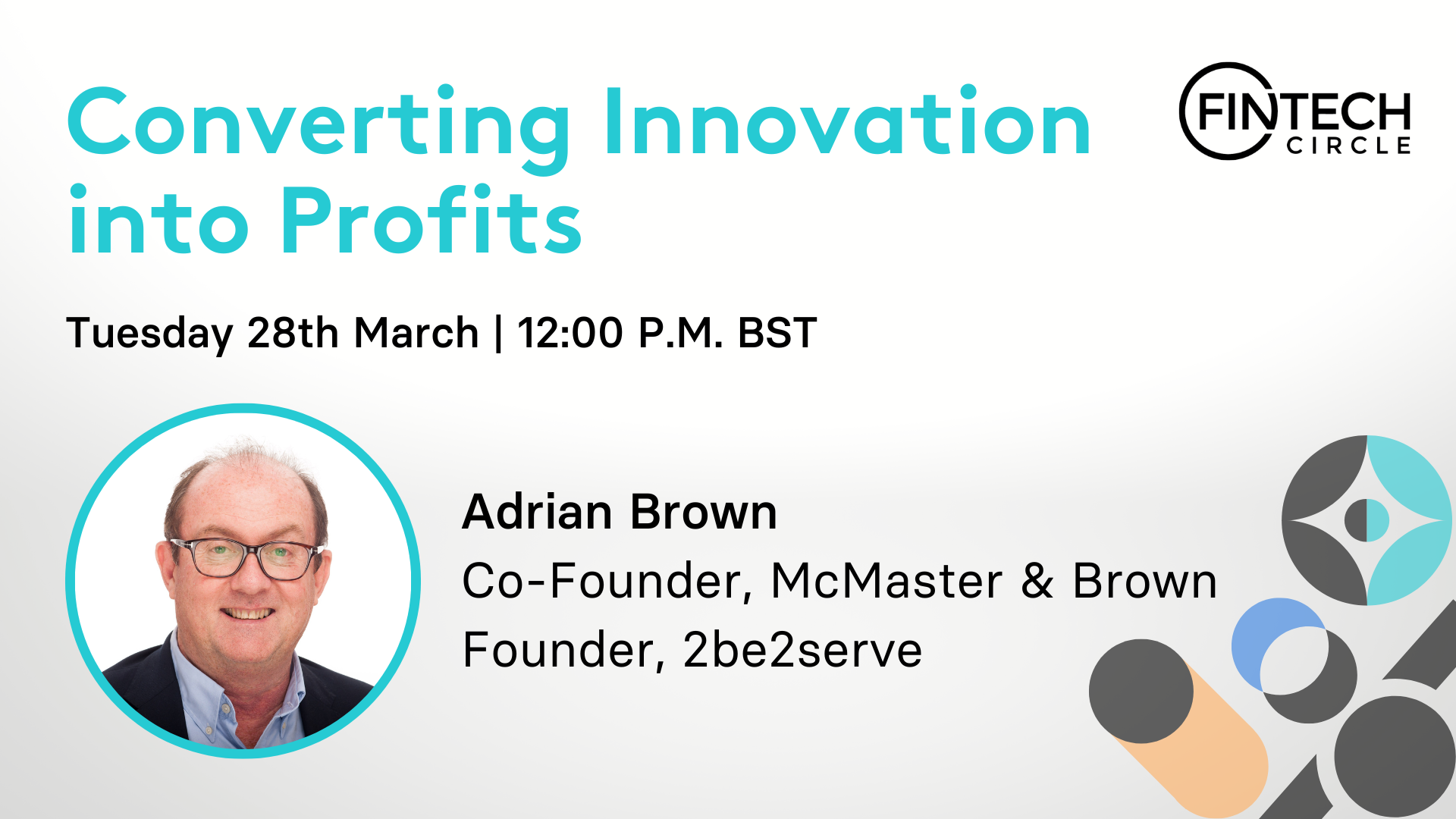
1. What is the most significant trend currently reshaping the fintech ecosystem?
In my view, the use of AI and safe implementation is shaping Fintech businesses to do things quicker and more efficiently than traditionally. Cybersecurity and suitable prevention are topical matters for Fintechs. Also funding activity, M&A and Health Fintechs are also activities shaping the growth momentum and direction of the industry.
2. Where is fintech heading in the next 1-2 years, and what should executives be doing now to prepare?
Fintech and traditional Financial Services are becoming more acquainted either through M&A or acquiring Fintech products and services to allow FS companies develop and remain competitive.
Executives would do well to stay alert on what Fintech offers regarding services and products as well as M&A and how the FS landscape is changing so that their relevant Boards and companies are up to date on trends and how Fintech can assist FS companies to grow and remain competitive.
3. What’s a mistake you keep seeing companies or boards make in this area – and what should they do instead?
It depends really on the company, for example, some traditional FS companies leave it too late to explore Fintechs and how they can benefit from their offering. By the time they realise the need, those Fintechs have developed partnerships with other FS companies who are direct competitors, the result being the best has gone and the selection pool to choose from is smaller or not as well known.
4. What’s a widely-held view in Fintech that you think is incorrect – and what would you replace it with?
That smaller companies e.g. Fintechs are not as wholesome as long standing traditional FS companies, I believe this is incorrect. Some of these Fintechs are building ground breaking technology to support new asset classes in financial services which is no mean task, and they are building and scaling with small teams and resources.
I would replace this with Fintechs are accelerating global changes across the financial services industry to ensure financial services transforms at cadence to the next tier of global developed finance which operates faster, is better regulated and serves a wider customer base.
5. What’s a judgment call from your career that best demonstrates the expertise you’d bring to a board?
Utilising my strategic mindset has helped on many occasion to ensure successful outcomes. Ensuring I had a broad and in depth understanding of the business, stakeholder awareness, knowledge of products and services. Having had a 360 degree view across the business enabled me to make the right judgement call and decision while mitigating risk.
Trusting my intuition and challenging things has also helped me ensure matters were not overlooked or swept under the carpet. Also, a "can do" attitude goes a long way with the ability to join up the dots as to what is happening across the organisation being able to picture the future for the organisation and identify how to get there.
6. How do you see Fintech evolve in response to AI adoption?
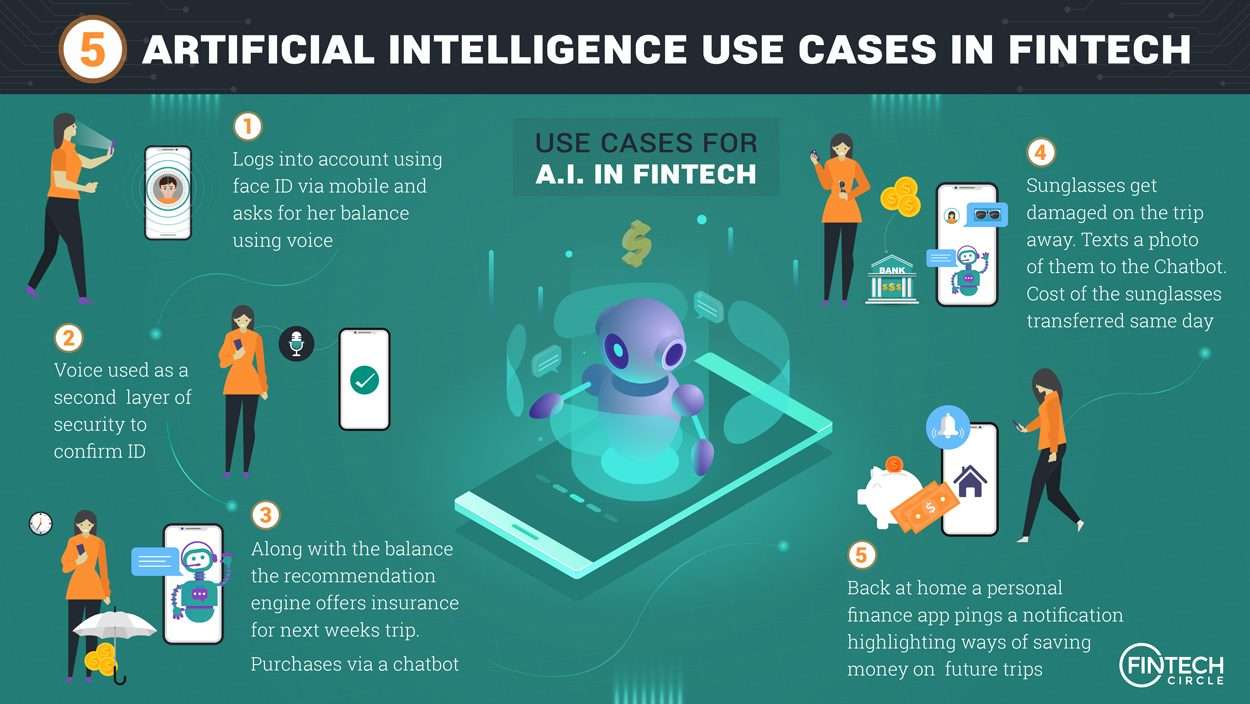
I think AI adoption will change FS and how Customers interact with their financial services providers. Less human interaction is already apparent. Faster decisions and delivery are a result. AI is making finance more simplified and available to all.
However, there is the negative side of things when decisions go wrong and where there is no one to speak with. Correct implementation, ongoing monitoring of AI and workarounds are necessary.
7. What advice would you offer to fintech founders looking to scale their operations in the current economic and geopolitical climate?
Where scaling operations I would advice the business to align the scaling with the 5 year + growth plan and scale accordingly. If the business is online perhaps a high end commercial office space is not a priority. Keep costs and outgoings under review and scale moderately and at the pace which the business is growing.
I would advise on having a strong finance team, compliance and legal function to ensure the business is guided away from countries or clients on the sanctions list ensuring rigorous compliance with regulatory requirements. A diversified Board and M&A expertise if scaling into new markets, a strong HR team to protect psychological safety and fosters the values of the company.
In terms of geographic expansion, I would recommend established markets which offer organic growth rather than markets where opportunity reigns but the regulatory/political landscape is unknown.
8. If a reader acts on only one thing from this interview, what should it be?
Strategic mindset and "Can Do attitude"- whether you are scaling a global business or developing a business pipeline. Strategy and enthusiasm to get things done correctly, without major risk and with the ability to see the direction of the business - are all important.