Why founders hesitate to bring in advisers, why those fears rarely hold up, and how to experience board-level advice before committing to it.
The short answer: Yes, and earlier than most founders think. An advisory board gives a fintech founder experienced, independent advice without handing over control. A good adviser costs far less than the mistakes they help you avoid, and the earlier they join, the more they can shape the direction of your business.
Chief Executive Officer.
Chief Everything Officer.
That is what CEO really means when you start your business.
You choose the laptop and order the paper. You hire the first engineer, chase the late invoice and write the investor deck. Often on the same day.
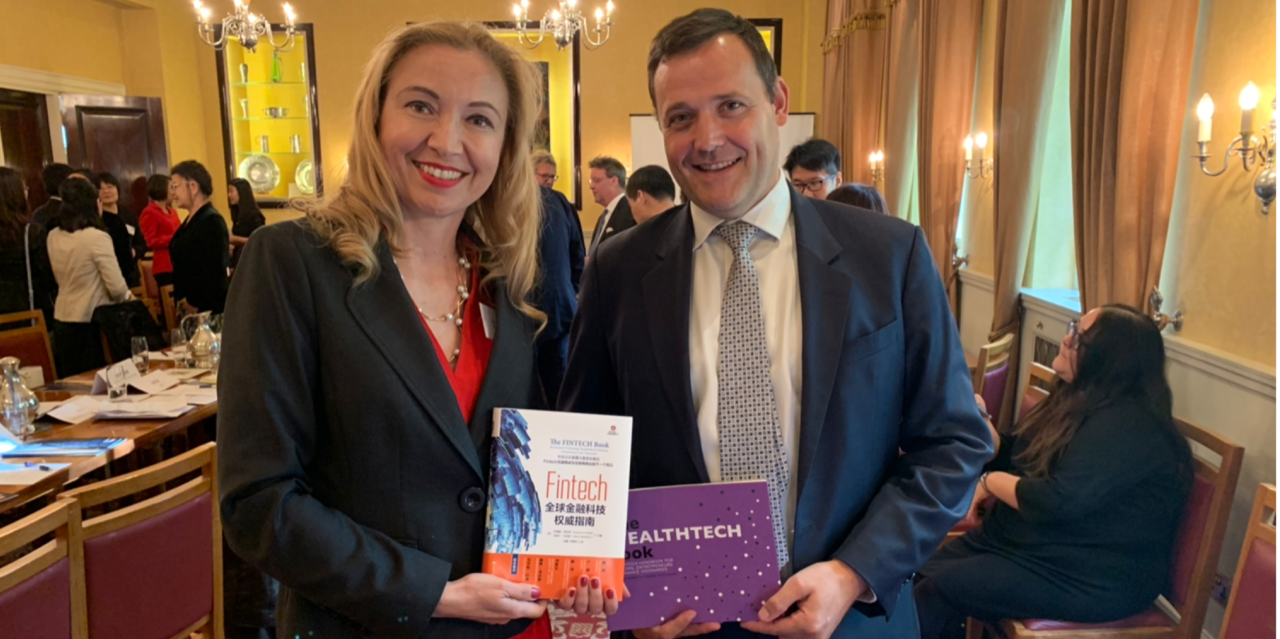
I know this from both sides of the table. I founded FINTECH Circle in 2014 and built it from the ground up. And for many years I have sat across from founders as an angel investor and as a board director.
From both seats, I have seen the same pattern again and again.
The founders who try to do everything alone are often the ones who most need someone in the room who has done it before.
Why do so many fintech founders go it alone?
Most fintech founders go it alone because of three fears: cost, control and confidence.
Who do you turn to when the regulator comes back with questions you did not expect? When a term sheet arrives and you are not sure which clauses really matter? When your first senior hire is not working out? When a large bank says yes in principle, then goes quiet for nine months?
Too often, founders answer these questions alone.
Not because they don't value advice. Because of three thoughts they rarely say out loud:
- "I can't afford advisers."
- "I don't want anyone telling me what to do."
- "I know this business better than anyone."
Founders are usually too polite to say these things directly. But after many years of conversations with founders, I know they often think them.
Each one is understandable. And each one, in my experience, is expensive.
Can an early-stage fintech afford an advisory board?
Yes. A good adviser costs you much less than the mistakes you would make without them.
A good adviser works on both sides of your business.
On the downside, they protect you. They spot problems before they go wrong: the regulatory assumption that won't survive scrutiny, the clause in a term sheet that will hurt you two rounds later, the senior hire made for the wrong reasons.
On the upside, they lift you. They open doors to customers, partners and investors you could not reach on your own. They have seen what good looks like, so they help you grow faster and with fewer detours.
In fintech, mistakes are rarely cheap. A wrong regulatory call can cost you months. A badly negotiated round can cost you a meaningful share of your company.
Against that, the cost of good advice is small.
A good advisory board pays for itself.
Will an advisory board take control away from me?
No. An advisory board advises. A board of directors decides.
It is worth being precise about the difference, because this is where most of the fear comes from.
| Advisory board | Board of directors | |
|---|---|---|
| Legal status | Informal, no statutory role | Formal, registered at Companies House |
| What it does | Gives advice and challenge | Takes decisions as a board |
| Legal duties | None as directors, provided they advise rather than direct | Statutory directors' duties under the Companies Act 2006 |
| Can you set its view aside? | Yes | Board decisions bind the company |
| Who chooses them? | You | Shareholders appoint and can remove directors |
With an advisory board, if you don't like a recommendation, you simply don't act on it. Nobody can force you to.
A board of directors is more formal. Directors are listed at Companies House and the board takes decisions together. But if you are the founder and the majority shareholder, you still decide who sits around that table. Shareholders can remove a director by ordinary resolution.
In practice, if an adviser's input keeps being unhelpful, you thank them and let them go. Then you bring in someone who can help you more.
You keep control by choosing who is in the room.
When should a fintech founder set up an advisory board?
As early as possible.
This is the question founders ask me most often, and my answer is always the same.
The earlier you are, the more good advice can shape the whole direction of your business. Your business model, your regulatory route, your first senior hires and how you raise your first money all lock in decisions that are expensive to undo later.
It is also the answer to the third fear: "I know this business best."
You probably do know your product and services better than anyone. But every founder has blind spots, and the earliest ones cost the most. Good advisers don't replace your judgement. They test it and support the growth of your business.
How do you get real value from advisers?
An advisory board only works if you set it up to work. These five principles make the difference:
- Start with the two or three questions you most need answered in the next 3 to 12 months.
- Choose people who have already done what you are about to do.
- Agree the terms in writing: time, expectations, confidentiality and how they are rewarded.
- Meet on a regular rhythm, with a short pack sent in advance.
- Review honestly after six to twelve months, and change the line-up if it isn't working.
Regular, prepared conversations are what turn a list of impressive names into a real advisory board.
What if you need hands-on help, not just advice?
Hire a fractional executive.
Sometimes advice isn't enough. You need someone to do the work alongside you.
A fractional executive is an experienced leader who works for your company part time, often one day a week.
If you need an HR director but can't justify one five days a week, hire one for one day. If you are preparing to raise, a fractional CFO can lead the financial model, the investor conversations and the negotiation, without the cost of a full-time hire you don't yet need.
Many of the experienced board members in our community take exactly these fractional leadership roles.
And look hard at your own week. Much of the admin that consumes a founder's time can now be automated. Every hour you win back is an hour for customers, investors and your team.
What is a Pop-Up Board, and how does it work?
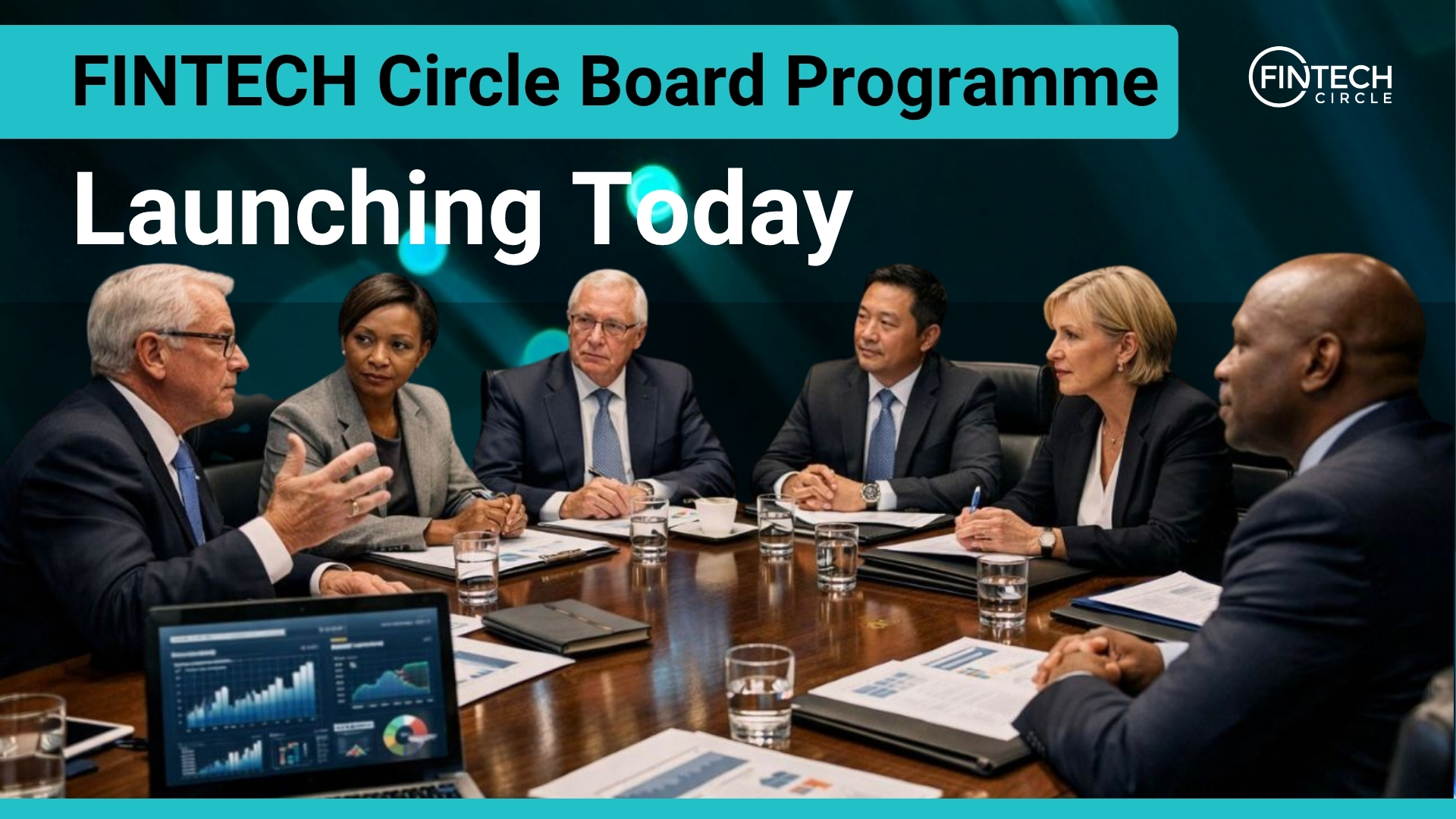
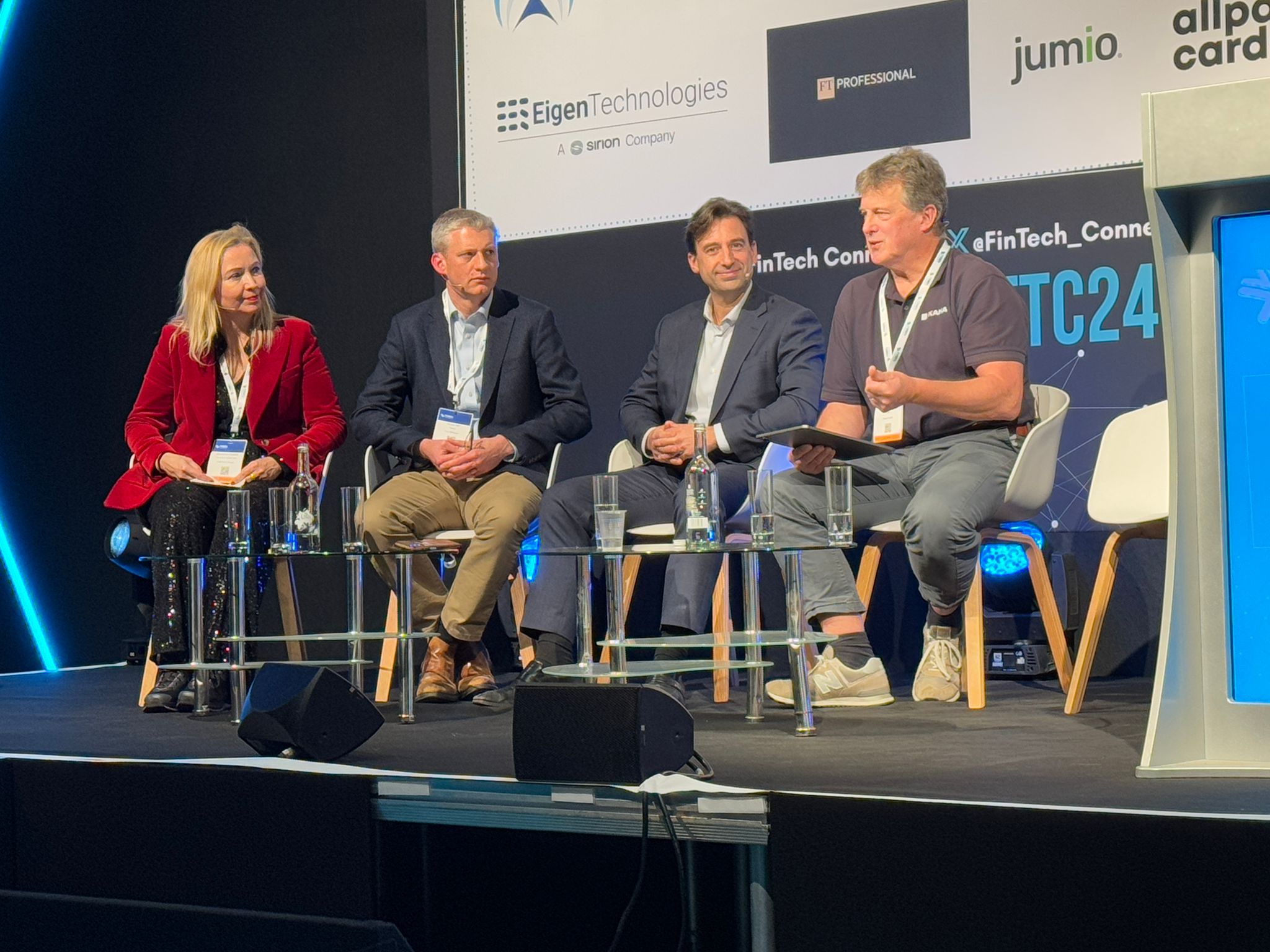
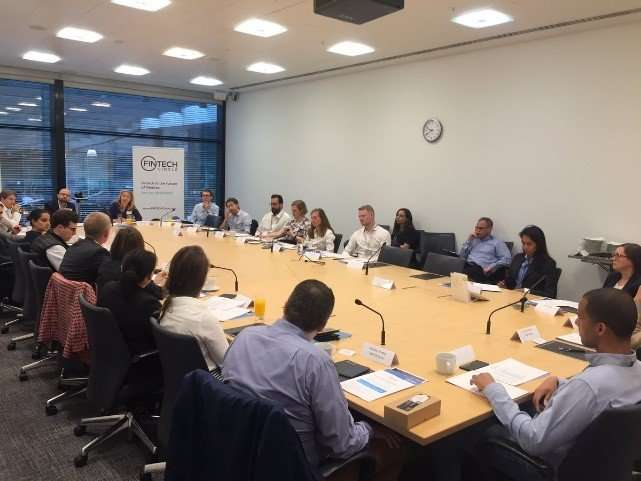
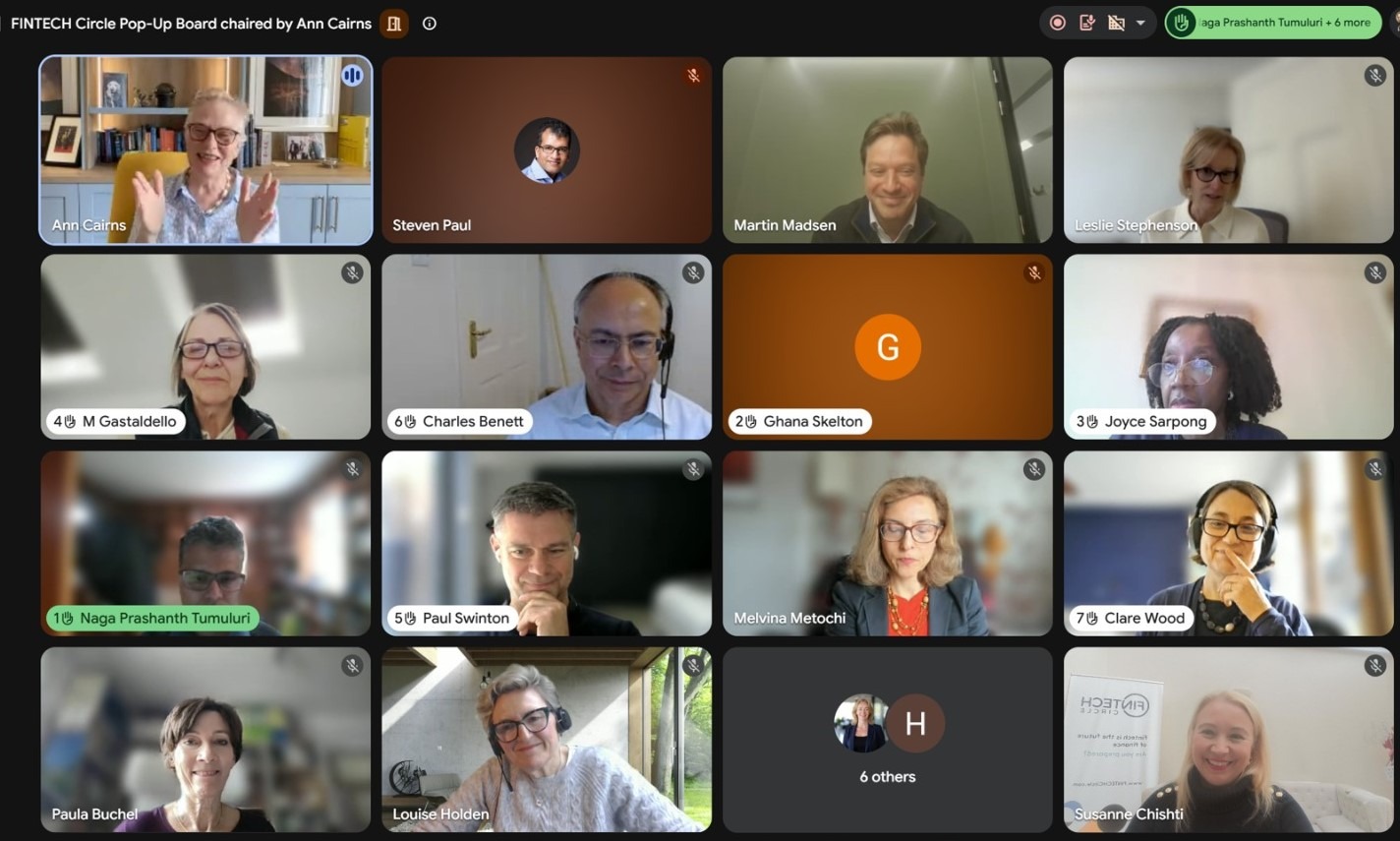
A FINTECH Circle Pop-Up Board is a complimentary, curated board meeting for qualifying fintech scaleups. We created it for founders who need board-level thinking and would like to experience the power of an advisory board. Up to 15 senior executives, chairs, non-executive directors and investors from our Board Programme sit as your company's board for one session and work through real strategic challenges you bring. Each session runs for 90 minutes online under Chatham House Rule, and the discussion stays confidential. Before the meeting, the board receives a board pack setting out your company, your challenges and the agenda, and each member puts in around two hours of preparation, so they arrive ready to challenge and advise. For you, that means board-level challenge on a live problem, at no cost for qualifying scaleups, with no ongoing commitment and no loss of control. We run several each season: seven are scheduled between September and November 2026, on topics ranging from agentic AI governance to embedded finance and digital assets.
A board when you need it, for as long as you need it
Board-level support should not be all or nothing.
Not every company needs a permanent board from day one. But many need serious board-level support at particular moments: before a raise, during an authorisation, ahead of a move into a new market.
For those moments, a founder should be able to bring in an adviser for a defined period, around one clear milestone. For early-stage companies, that is a practical step before they are ready for a full executive search. And when they scale and need permanent appointments, the specialist search firms we work with are the natural next partner.
Frequently asked questions
How much does an advisory board cost?
It varies. Some advisers are paid a day rate, some receive a small amount of equity, and some combine the two. Whatever you agree, put it in writing, and weigh it against the cost of the mistakes good advice helps you avoid.
Is advice from an advisory board legally binding?
No. An advisory board has no formal decision-making power. You are free to accept or reject its recommendations.
What is the difference between an adviser and a non-executive director?
An adviser gives advice informally and has no statutory role. A non-executive director is a formal member of the board of directors, registered at Companies House, with legal duties and fiduciary responsibilities.
When should a fintech move from an advisory board to a formal board?
Usually when external investors join, when regulators expect stronger governance, or when the business has grown complex enough to need formal oversight. Many investors ask for a board seat as part of a funding round.
What is a fractional CFO?
An experienced finance leader who works for a company part time, often one day a week. Fintech founders typically bring one in to lead fundraising, financial planning and investor reporting.
What is a FINTECH Circle Pop-Up Board?
A complimentary, 90-minute online board meeting for qualifying fintech scaleups. Up to 15 senior executives, chairs, non-executive directors and investors from the FINTECH Circle Board Programme work through a real strategic challenge the founder brings. Scaleups can apply at fintechcircle.com/pop-up-boards.
Chief Everything Officer does not mean doing everything alone
Most founders wear the title with pride. They should.
But the job was never meant to be done alone.
Sometimes, one piece of advice saves you six months.
Sometimes, one introduction opens a market you could not reach on your own.
Sometimes, simply hearing "I have seen this before" gives you the confidence to keep going.
The best founders I know are not the ones with all the answers.
They are the ones who know whom to ask important questions and whom to listen to.
If you lead a fintech scaleup and want to see a board work on your toughest challenge, you can request a complimentary Pop-Up Board here: fintechcircle.com/pop-up-boards
About the author
Susanne Chishti is the Founder and Chair of FINTECH Circle. She is a Non-Executive Director of a London-listed bank, an angel investor, and the editor of the bestselling FINTECH Book series published by Wiley. Her career in financial services spans more than 25 years, including Deutsche Bank, Lloyds, Morgan Stanley and Accenture.