
Executive Summary
Procurement is entering a new era. As organisations face increasing complexity, supply chain disruption and growing sustainability expectations, procurement is evolving beyond a cost-control function into a strategic driver of business value. Organisations that combine technology, data and expertise will make smarter, more sustainable decisions that build resilience and long-term value. This article looks at the shifts shaping procurement, what leaders should do next, and how combining data scientists with procurement experts can help organisations buy anything cost-effectively and ethically.
Procurement Is Entering a New Era
For years, procurement has been defined by one primary objective: reducing costs.
Success was traditionally measured by savings, efficiency and the ability to negotiate better supplier agreements.
While these priorities remain important, the role of procurement is changing.
The business environment has become more complex. Supply chain disruption, economic uncertainty, regulatory pressures and increasing sustainability expectations are forcing organisations to rethink how they approach procurement.
Procurement is no longer simply about finding the lowest-cost option. It is becoming a strategic function that helps businesses build resilience, manage risk and create long-term value.
The question is no longer only, "How much can we save?" It is, "How much value can we create?"
Why Value Creation Is the New Measure of Success
This shift represents a fundamental change in how organisations view procurement.
Rather than focusing only on immediate savings, leading organisations are recognising procurement as a function that can influence business performance, manage risk and support long-term growth.
The most forward-thinking procurement teams are looking beyond short-term savings and considering the broader value created through every decision.
This includes managing supplier risk, identifying opportunities for innovation and building partnerships that support long-term growth. The best teams agree with their CFO and CEO what "value" means, then measure it.
Procurement is becoming a strategic partner that helps organisations make better decisions and create sustainable value.
Data and Technology Are Transforming Procurement Decisions
Better decisions depend on better data.
Many organisations still rely on fragmented information, manual processes and limited visibility across supplier networks. This can make it difficult to identify risks, uncover opportunities and make informed decisions.
Technology is changing this.
Advancements in data analytics, artificial intelligence and digital platforms are helping procurement teams gain deeper supplier insights, improve transparency and make decisions with greater confidence. AI can classify spend in hours, flag price movements early, compare suppliers across markets and take on routine sourcing work. But it is only as good as the data behind it, and poor data quality remains one of the biggest blockers to value.
However, technology does not replace procurement expertise. Instead, it enhances the ability of procurement professionals to act on better information.
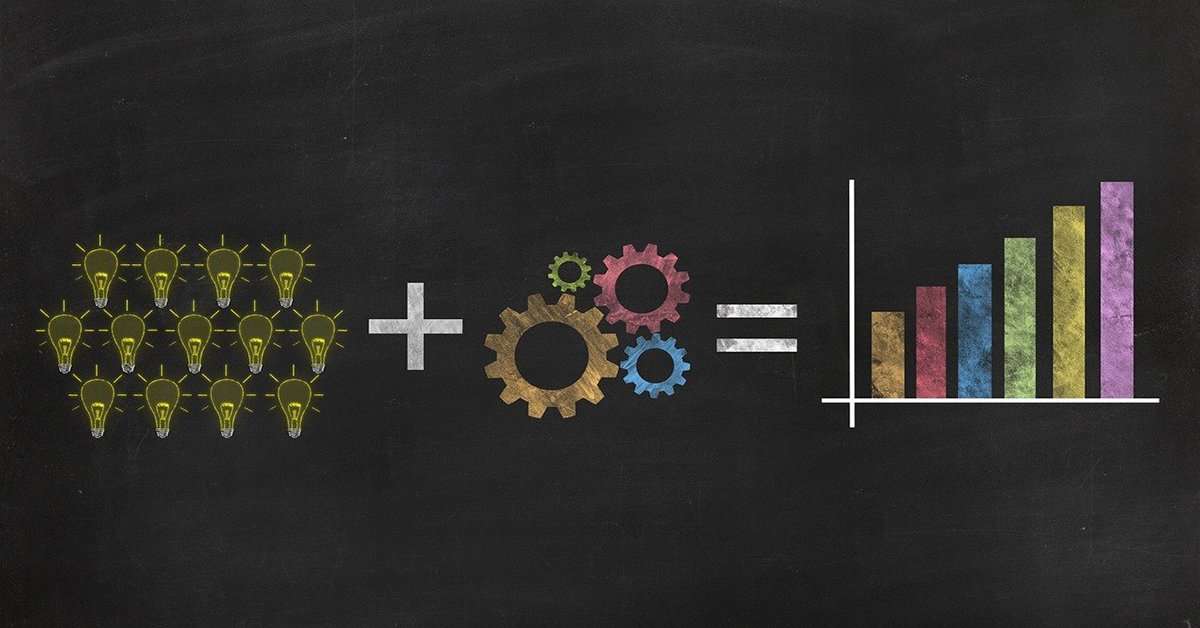
The future of procurement will belong to organisations that combine human expertise with data-driven insights to create greater value.
Procurement as a Force for Good
Procurement decisions have always had an impact beyond the purchasing process.
The suppliers organisations choose, the products they source and the standards they set can influence entire supply chains.
As sustainability expectations continue to grow, businesses are increasingly recognising the importance of understanding where products come from, how suppliers operate and what impact purchasing decisions create. Scope 3 emissions reporting, supply chain due diligence rules and, in the UK public sector, social value requirements all mean that how something is made, and who makes it, now carry real weight.
Sustainable procurement is moving beyond compliance. It is becoming a strategic advantage for organisations looking to build resilient supply chains, strengthen partnerships and create positive impact.
Procurement has the potential to deliver value beyond financial savings. By identifying more sustainable suppliers, reducing unnecessary costs and making better-informed decisions, procurement can create measurable environmental and social impact.
This includes reducing the impact of supply chains on the planet, supporting responsible business practices and creating opportunities for wider economic and social value.
Procurement has the opportunity to become a true force for good by creating value for businesses, suppliers, communities and the planet.
Building Resilience Over Lowest Price
Recent years have shown the cost of relying on a single supplier or region. Leading organisations are diversifying their supply base, building closer partnerships with key suppliers and using market data to anticipate shocks rather than react to them.
What Procurement Leaders Should Do Now
- Redefine success. Add carbon, social value, risk and supplier innovation to the scorecard alongside savings, and report them to the board together.
- Fix the data first. Get a clean, classified view of all spend, direct and indirect. Without it, neither AI nor sustainability targets will deliver.
- Augment people, don't replace them. Pair category experts with data and AI tools so analysis is fast and judgement stays human.
- Get in early. Value is set when a need is first defined, not at the tender stage.
- Look wider for suppliers. Use broader market data to find better, greener and more diverse suppliers, including SMEs and local businesses.
- Treat sustainability as a cost lever. Lower energy use, less waste and longer-lasting goods often cost less over their life.
Building the Future of Procurement with Zureli
For many organisations, the challenge is not recognising the importance of procurement. It is having the visibility, data and expertise needed to transform it.
Procurement decisions are often made across fragmented systems, disconnected supplier networks and limited data sources. This makes it difficult for businesses to understand where value is being created, where costs are being lost and how purchasing decisions impact wider sustainability goals.
At Zureli, we believe procurement should be treated as a strategic driver of both financial and environmental performance.
We bring together procurement experts, data scientists and sustainability specialists to help organisations uncover hidden value within their supply chains, reduce costs and make decisions that create positive impact. We cover both direct and indirect spend, and we work alongside clients to put changes in place, not just recommend them.
Our approach combines supplier intelligence, spend analysis and sustainability insights to transform fragmented procurement data into actionable decisions. Through our proprietary supplier database, organisations gain access to more than 14,000 suppliers and 40,000 sustainable products and services, helping them identify new solutions, improve supplier performance and align purchasing decisions with commercial and sustainability goals.
To further improve visibility across procurement data, Zureli has developed Spend InSight, a digital spend and insights platform that helps organisations understand their spending patterns, identify opportunities and make faster, more informed decisions.
The impact of this approach can be seen across different industries. For a major European food manufacturer, Zureli uncovered £40 million in hidden costs and developed a savings strategy using more sustainable suppliers to support the organisation's responsible business goals.
For a global technology company, Zureli brought together procurement specialists and data scientists to develop Spend InSight, a digital tool providing accurate spend visibility across 30 entities and enabling teams to deliver efficiencies at pace.
Zureli also supports organisations with a social mission, helping charities identify savings opportunities so more funding can be directed towards their core purpose.
Building on this, Zureli is now creating a tech-augmented solution that brings data, AI and procurement expertise together in one place, helping any organisation buy anything cost-effectively and ethically.
By connecting cost, performance and sustainability, Zureli is helping organisations rethink procurement as more than a cost-control function. It becomes a strategic tool for improving financial performance, strengthening resilience and creating measurable environmental and social value.
The Future of Procurement Is About Creating Greater Value
By combining technology, expertise and purpose, procurement can move beyond cost reduction and become a powerful force for creating long-term value.
The future of procurement is not just about buying better.
It is about creating better outcomes for businesses, suppliers and the planet.