1. What is the most significant trend currently reshaping the fintech ecosystem?
Many people would lead with AI and yes, it’s transforming how fintech builds and deploys. But from where I sit, another significant trend is actually the influx of experienced talent moving from traditional financial services into fintech. That shift is fundamentally changing fintech’s DNA, bringing institutional discipline and governance depth to organizations that previously had to invent all of that themselves. It’s creating new dynamics and that can lead to friction. The winners will be the teams that preserve speed while embedding that maturity, not the ones that pick one over the other.
2. Where is fintech heading in the next 1-2 years, and what should executives be doing now to prepare?
Fintech has been broadening beyond payments into insurtech, wealth, and regtech, creating more integrated ecosystems. AI and rapid prototyping means we’ll see more MVPs hitting the market faster than ever. But speed to launch is only half the story. The real challenge is building a scalable sales engine alongside the product. Executives need teams that blend product expertise with genuine commercial and sales capability at operational, executive, and advisory levels. That combination of skills and governance is what separates scale from stalling.
3. What’s a mistake you keep seeing companies or boards make in this area – and what should they do instead?
Early-stage companies usually rely on founder-led sales out of necessity, but founders get stretched too thin. The critical mistake is waiting too long to bring in commercial sales leadership. Bringing them in early builds investor confidence and lets product teams take real market feedback and iterate faster.
4. What’s a widely-held view in Fintech that you think is incorrect – and what would you replace it with?
After 33 years in international payments, working across government, humanitarian, and development sectors, I’ve seen attitudes to Fintech organisations shift dramatically. When I started, public sector procurement teams saw Fintech as higher risk and stuck with established providers on long contracts with familiar terms. They missed out on innovation and speed. That’s changing now. Look at Stripe’s public sector work or Adyen’s partnerships with UNHCR and humanitarian organizations. For Fintechs, this sector is a huge opportunity but only if you have the knowledge, patience, and capacity to navigate complex procurement and build real relationships with treasury teams. It’s not transactional; it’s relational.
5. What’s a judgment call from your career that best demonstrates the expertise you’d bring to a board?
Boards need people who can unlock adjacent sectors and geographies, not just optimise existing ones. At Visa Government Solutions, I led partnerships focused on governments, but I pushed the leadership team to look beyond at development banks and UN organizations. We built a commercially scalable pipeline by working with both traditional FS providers and fintechs. I bring that growth mindset and use data, business models, and market insights supercharged by AI to help teams move into new spaces with confidence, not just ambition.
6. How do you see Fintech evolve in response to AI adoption?
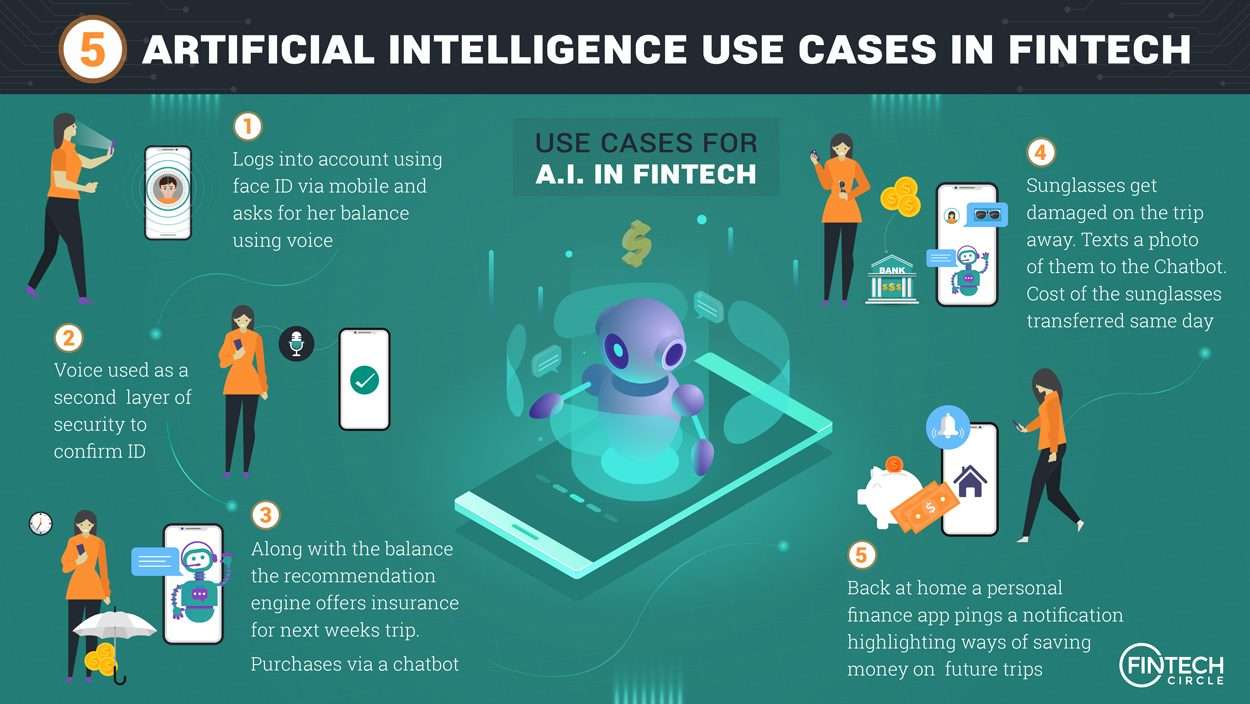
I’m seeing rapid AI adoption agents handling operations, finance, support. AI powers commercial functions too: partner due diligence, market insights, business cases. The deployment cycle is faster than ever. But here’s what matters: founders and boards need strong human oversight. You have to challenge the output, check the models are performing, and ask whether governance is actually in place. And critically, boards need to ask not just “Could AI do this task better?” but “Should it?” AI governance isn’t a tick-box, it’s a board-level responsibility.
7. What advice would you offer to fintech founders looking to scale their operations in the current economic and geopolitical climate?
The UK has world-class fintechs, but not enough reach scale. Funding is tighter, geopolitics is choppy. My advice: resist the urge to sprawl. Double down on your core sector first. Build a strong sales pipeline and proof points there before you extend into adjacent sectors or new geographies. Over-extension too early is where I see founders stumble. Once you’ve got real traction and a customer base, they’ll often pull you into new markets. Follow your customers. That’s when expansion works.
8. If a reader acts on only one thing from this interview, what should it be?
People build businesses. Tech, timing, luck they all matter, but they’re secondary. Bring in the right people earlier than you think you can afford to. That doesn’t mean full-time hires. Fractional, advisory, and contractual roles let you inject the right skills, challenge, and governance at a pace that works for your burn rate. Getting the right people into your business at the right time is the single biggest lever founders have.
Founder, Ad Pontem Advisory