1. What is the most significant trend currently reshaping the fintech ecosystem?
The trend I’d point to isn’t really about technology but rather a shift in what boards are expected to be accountable for.
Historically, AI and automated decision-making sat quietly inside the business as an efficiency story, like better personalisation or faster fraud checks, but that’s changing fast.
Regulators, customers and increasingly boards themselves are starting to ask a different question: not “does the model work,” but “can you evidence that you understood and challenged how it reached a decision that affected a customer.” That’s a governance shift, not just a technology one.
I’ve spent most of my career on the oversight side of asset management, building investment assurance functions, sitting on fund boards, running Assessment of Value work and the pattern is familiar. It’s where a capability moves from being purely operational to being something a board has to be able to stand behind, in writing, if challenged. Fintech is going through exactly that transition right now, just faster than most functions have gone through it before.
The firms that will do well aren’t necessarily the ones with the most sophisticated models, they’re the ones that build the capability to interrogate those models early, before a regulator or a customer forces the question. That means things like named owners, clear escalation routes, and board papers that show genuine challenge, not just a green status update.
So the most significant trend is that AI adoption is turning fintech boards from technology sponsors into technology regulators of their own businesses and having the right board is vital in that process.
2. What’s a mistake you keep seeing companies or boards make in this area – and what should they do instead?
The most common mistake I see is boards accepting an explanation at face value instead of testing it.
Someone reports that performance dipped because of “market headwinds,” or that a model’s output looks fine because “the numbers are within range,” and the board nods and moves on. It looks like oversight but really it’s just being told a story and choosing to believe it. Good oversight looks different. Good oversight asks whether this explanation is actually consistent with what we’d expect, given what we know independently.
In the world of investment management, if a manager says underperformance was down to market conditions, the board should be looking at whether that holds up against the manager’s own stated process and current portfolio positioning and not just accepting the narrative because it’s plausible.
The fix isn’t complicated, but it takes discipline and practice. You need to build management information that lets you distinguish between “this went wrong for a reason we understand and can defend” and “this went wrong and we’re describing it in a way that sounds acceptable.” Ask for the evidence before you ask for the reassurance.
And this is the really important part, make sure the minutes show it. If your only record is “the board discussed performance and was satisfied,” you haven’t evidenced oversight, you’ve evidenced a meeting. The minutes need to show not just what was discussed, but what was asked, what assurance was actually given, and what the board’s basis was for accepting or rejecting it.
3. What’s a widely-held view in Fintech that you think is incorrect – and what would you replace it with?
The widely-held view is that a fintech board needs people who’ve already worked in fintech. That is, they have direct sector experience, direct product experience, are someone who’s “been in the room” for a funding round or a platform migration. I understand the why that view is held.
But I think it under-values something boards need more of, not less: people whose judgement has been tested across a full market cycle, in a different sector, and who bring genuine independence precisely because they’re not steeped in the same assumptions as everyone else at the table.
I’ve spent my career in investment risk, product strategy and fund governance and not fintech specifically. But the actual skill a board needs from an independent director is remarkably portable: can you tell the difference between a plausible explanation and a tested one, can you ask the question nobody else in the room wants to ask, can you translate something technical into something the whole board can actually make a decision about. Those are pattern-recognition and governance disciplines and they are transferable.
What I’d replace the sector-experience test with is a track-record test: has this person actually exercised independent challenge, under real commercial pressure, with a real outcome attached and not just held a seat. A fintech-native director who’s never had to hold a line against their own board’s commercial interest isn’t automatically a stronger appointment than an outsider who has.
The best boards I’ve been part of weren’t full of people who all understood the product the same way. They had enough range that no single person’s blind spot became the whole board’s blind spot.
4. What’s a judgment call from your career that best demonstrates the expertise you’d bring to a board?
Early in my time as a fund board director, we identified a share-class issue during our first Assessment of Value cycle. This was a case where investors had technically been treated in line with the letter of the rules, but not in a way that sat well against the spirit of fair treatment. The easy path was to note it, satisfy ourselves the technical compliance box was ticked, and move on.
We didn’t take that path. The board pushed the issue further, which meant navigating a genuinely difficult dynamic, a fund board challenging its own parent Group, on a matter that had a real commercial cost attached to fixing it properly. That’s not a comfortable position to hold: you’re weighing your independent duty to investors against a relationship you also have to maintain day to day. We stayed with it, secured the Group’s agreement, and investors were reimbursed.
What I took from that isn’t just “we did the right thing”, it’s a more durable principle about what independence actually costs. It’s easy to say a board should be independent in the abstract. It’s a different thing to hold that position when it means an uncomfortable conversation with the people who appointed you, and a real short-term commercial cost to the business you’re overseeing. The trust and licence to operate that comes from getting that right is worth far more over time than the short-term cost of avoiding the conversation.
That’s the kind of judgement I’d bring to any board, not looking for problems, but not settling for the comfortable answer either, and being willing to hold an uncomfortable line in the short term when the outcome actually matters for the long term success of the company.
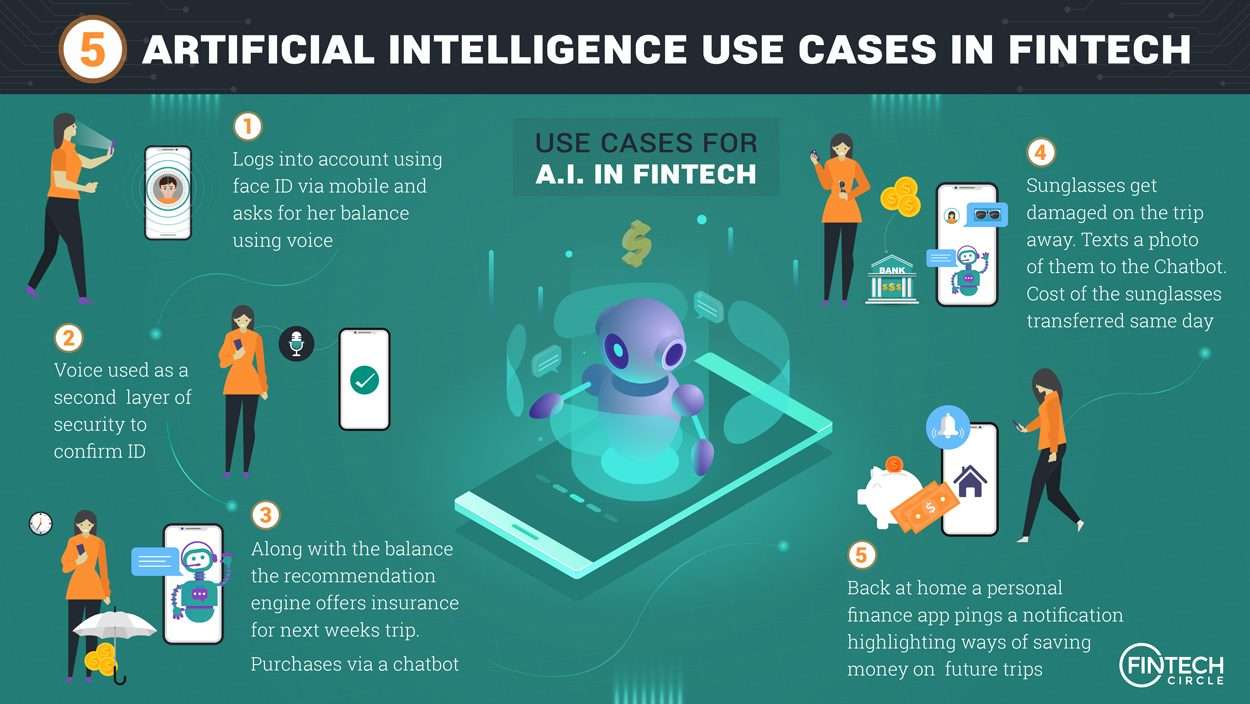
5. How do you see Fintech evolve in response to AI adoption?
For boards of fintechs working in the wealth and investment management sector, the question isn’t whether AI is coming, but what boards will actually be able to point to as evidence that they did their job properly.
Take something like Assessment of Value, which UK fund boards have had to do for years: every year, a board has to show, in writing, that it’s tested value for money against specific criteria and has the evidence to prove it. It can’t just assert it and leave it at that.
I think something equivalent is coming for AI-driven decisions. That could be an investment process using machine-learning signals, a robo-advice engine, or an automated underwriting tool. Boards won’t be able to say, “the model performs well” and leave it there. They’ll need to show they tested it: where does the model do well, where does it degrade, what happens when the market environment shifts away from the conditions it was built on, and who in the business is accountable for catching that early.
The firms that adapt well will build that discipline in now, before it’s mandated. They’ll treat AI oversight the way mature firms already treat investment process oversight: with named owners, defined escalation triggers, and a genuine annual test of “is this still doing what we think it’s doing,” not just a one-off sign-off at launch.
The practical shift I’d expect over the next couple of years is AI oversight moving from being a technology or compliance agenda item to being a standing board agenda item in its own right, reported on with the same rigour as investment performance or risk, rather than folded into a general “innovation update.”