1. What is the most significant trend currently reshaping the fintech ecosystem?
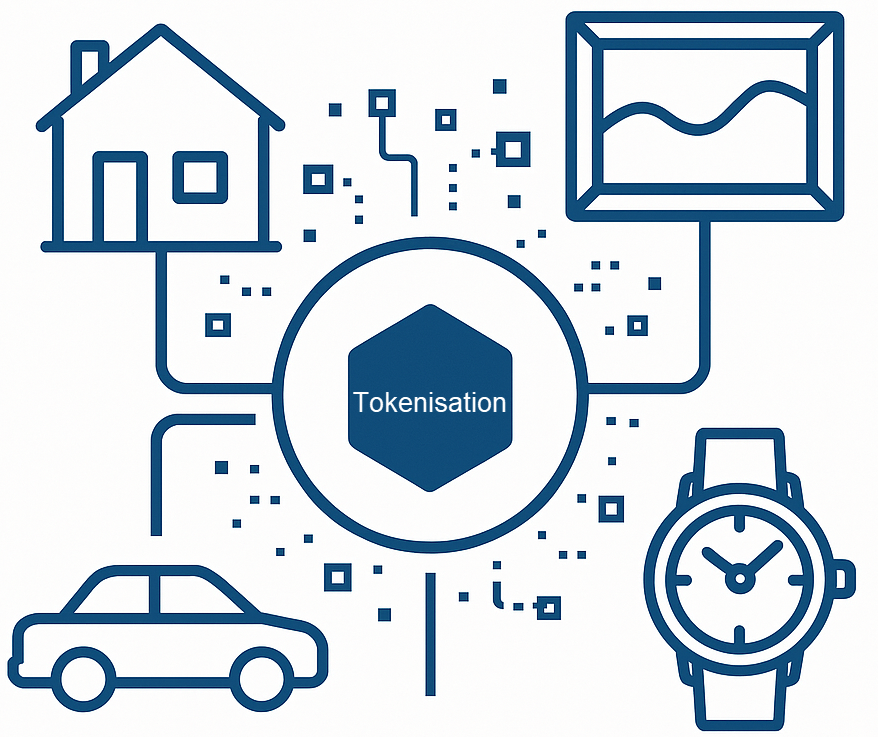
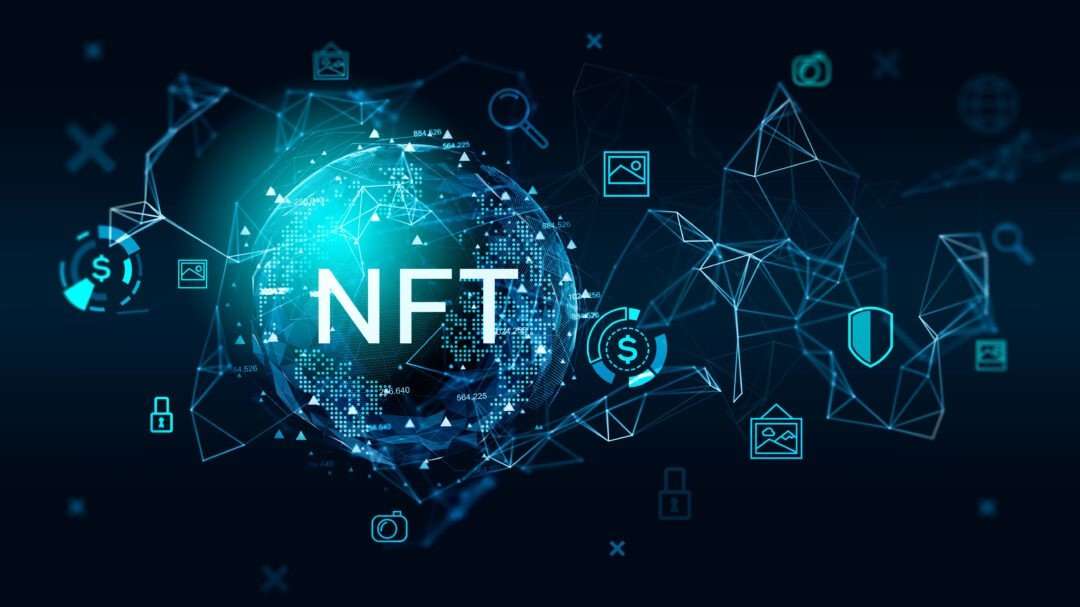
Tokenisation. Not as a buzzword, but as the plumbing catching up to what the financial industry has needed for years: lower transaction costs, greater transparency, broader investor access, faster settlement, compliance built into the asset itself rather than bolted on afterwards.
I’ve watched this play out first hand, from spot crypto ETPs going mainstream, to tokenised money market funds and bonds now sitting on institutional desks. My true belief is that within a few years the real question won’t be whether to tokenise an asset, it will be whether you can afford the operational drag of not having done it.
2. Where is fintech and Tokenisation heading in the next 1-2 years, and what should executives be doing now to prepare?
The next 1 to 2 years will bring closer convergence between traditional financial infrastructure and digital asset rails, alongside continued regulatory clarification from bodies like the FCA on crypto assets.
Executives should stop waiting for perfect regulatory certainty before building capital markets readiness: a clear strategy for on-chain rails along with distribution strategy, market maker relationships, liquidity provisioning, etc. I really think the firms that treat this as core infrastructure work now, rather than a reactive scramble once rules land, will have a genuine first mover advantage.
3. What’s a mistake you keep seeing companies or boards make in this area – and what should they do instead?
The mistake I keep seeing is product first, distribution second. For ETFs specifically, companies approve and prepare for a launch, celebrate the listing, and treat capital markets readiness and sales enablement as a downstream detail.
By the time distribution gets proper attention, the AUM trajectory is underwhelming and hard to recover. What they should do instead is build the distribution and capital markets plan alongside the product design, not after it. I’ve built that groundwork for issuers directly, and the difference in early traction is clearly noticeable.
4. What’s a judgment call from your career that best demonstrates the expertise you’d bring to a board?
The judgment call that matters most at board level is knowing which trade off you are making. For example, distribution growth that looks strong on a slide can mask a business that is not durable. I have learned to interrogate the truth behind the numbers.
The same principle applies to organisation design: teams need to evolve with the business, not simply grow alongside it, which means upskilling and for difficult conversations to happen early. Robust challenge produces better decisions, but a board must know when debate needs to convert into alignment.
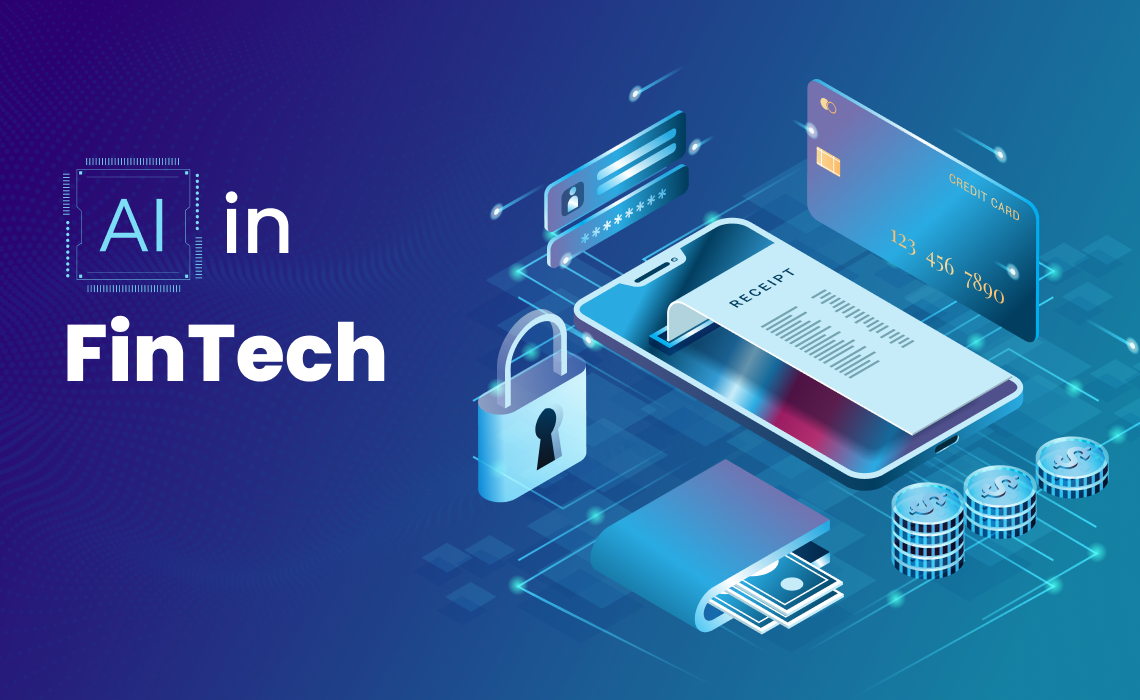
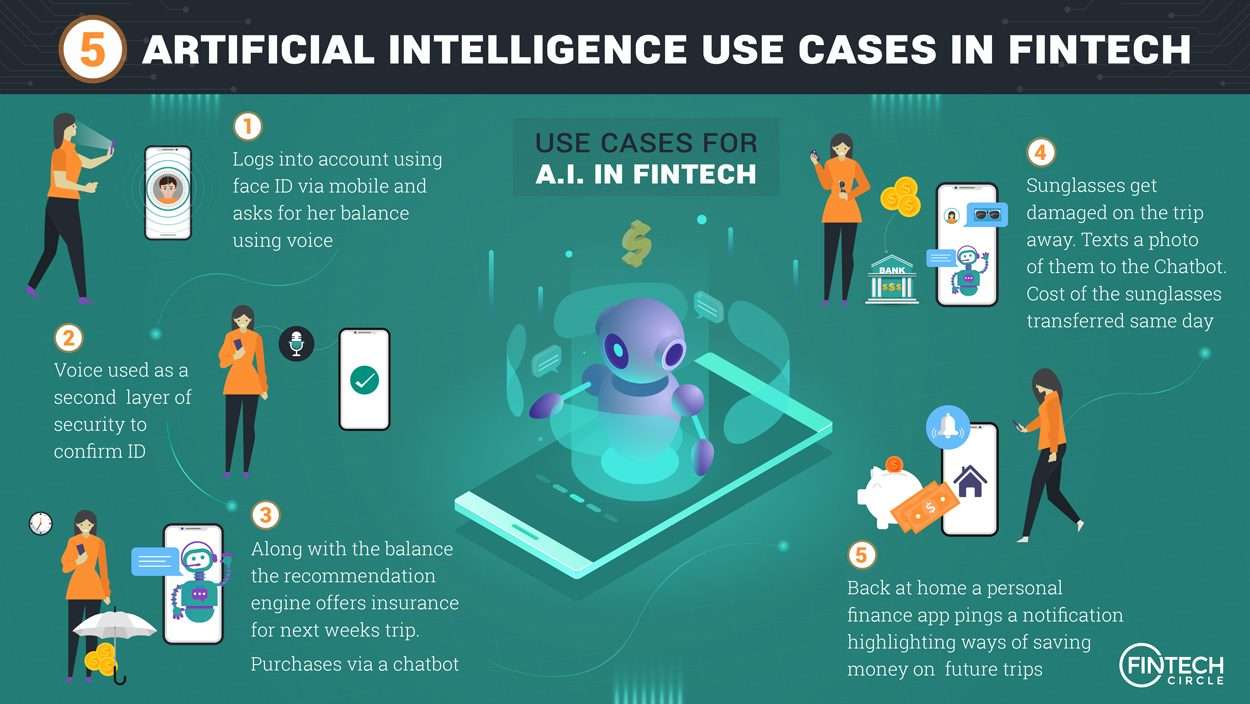
5. How do you see the fintech sector evolve in response to AI adoption?
I think AI’s biggest impact on the ETF industry won’t be flashy, it will be in the unglamorous background: data driven identification of who actually holds an ETF, more precise targeting of sales efforts, faster turnaround on capital markets and RFP materials, and efficiency gains in the operational set-up.
I’ve been building this into my own consulting work, including completing an AI bootcamp this year and advising on AI-native asset management approaches. My true belief is that firms treating AI as a sales enablement and operations tool, rather than a marketing headline, will pull ahead quietly over the next few years.
Isabell Moessler , CEO & Board Advisor IMC Consult & SpireBay Financial