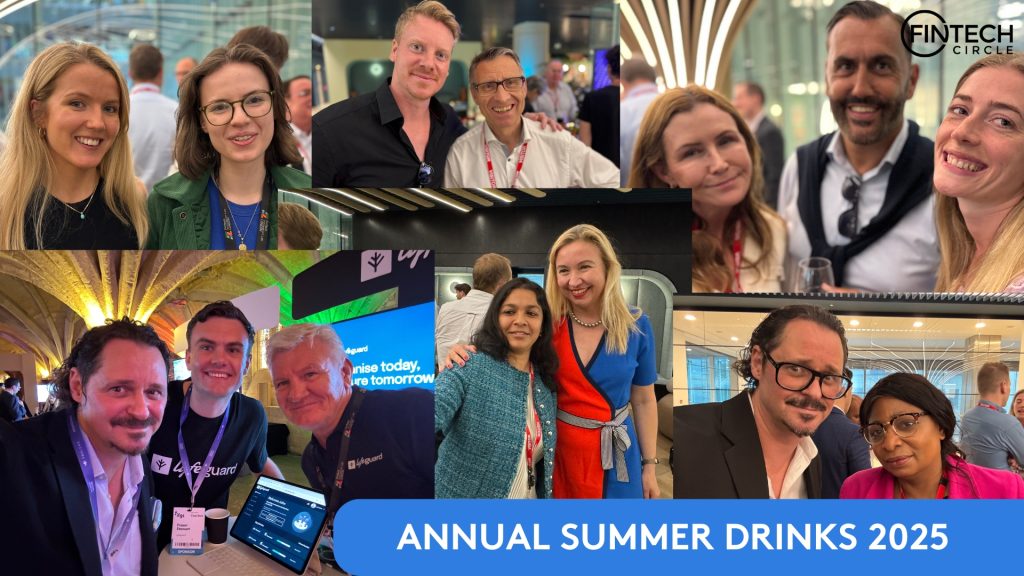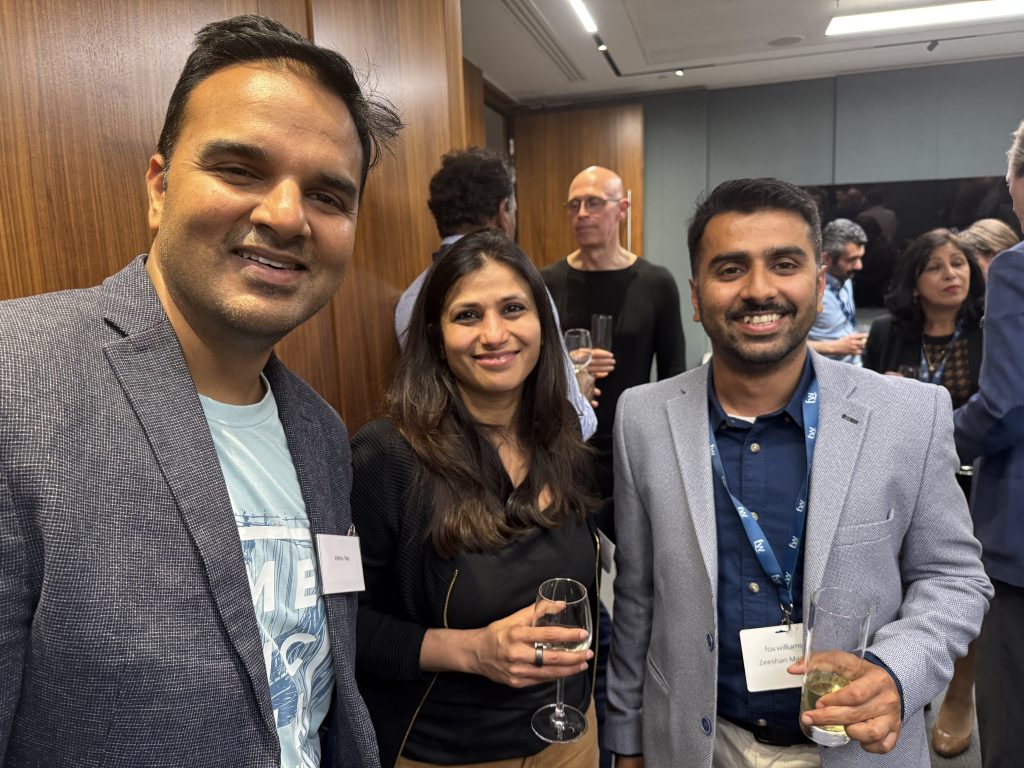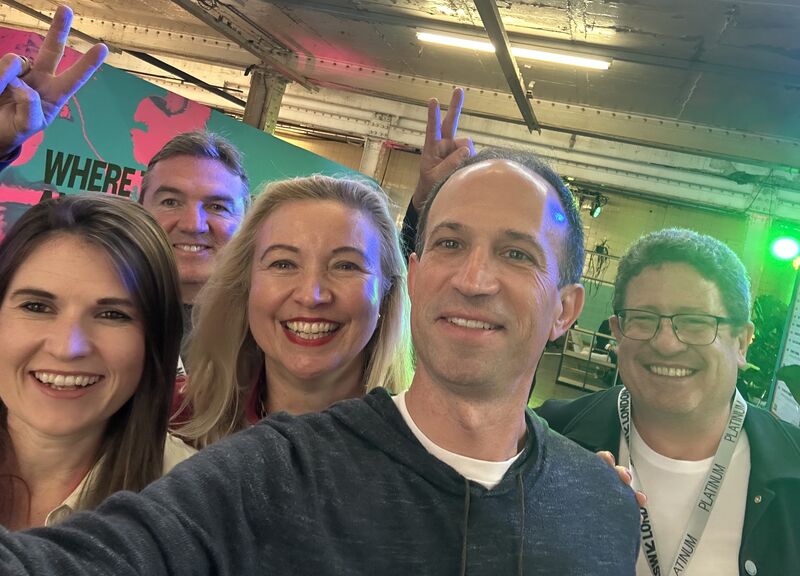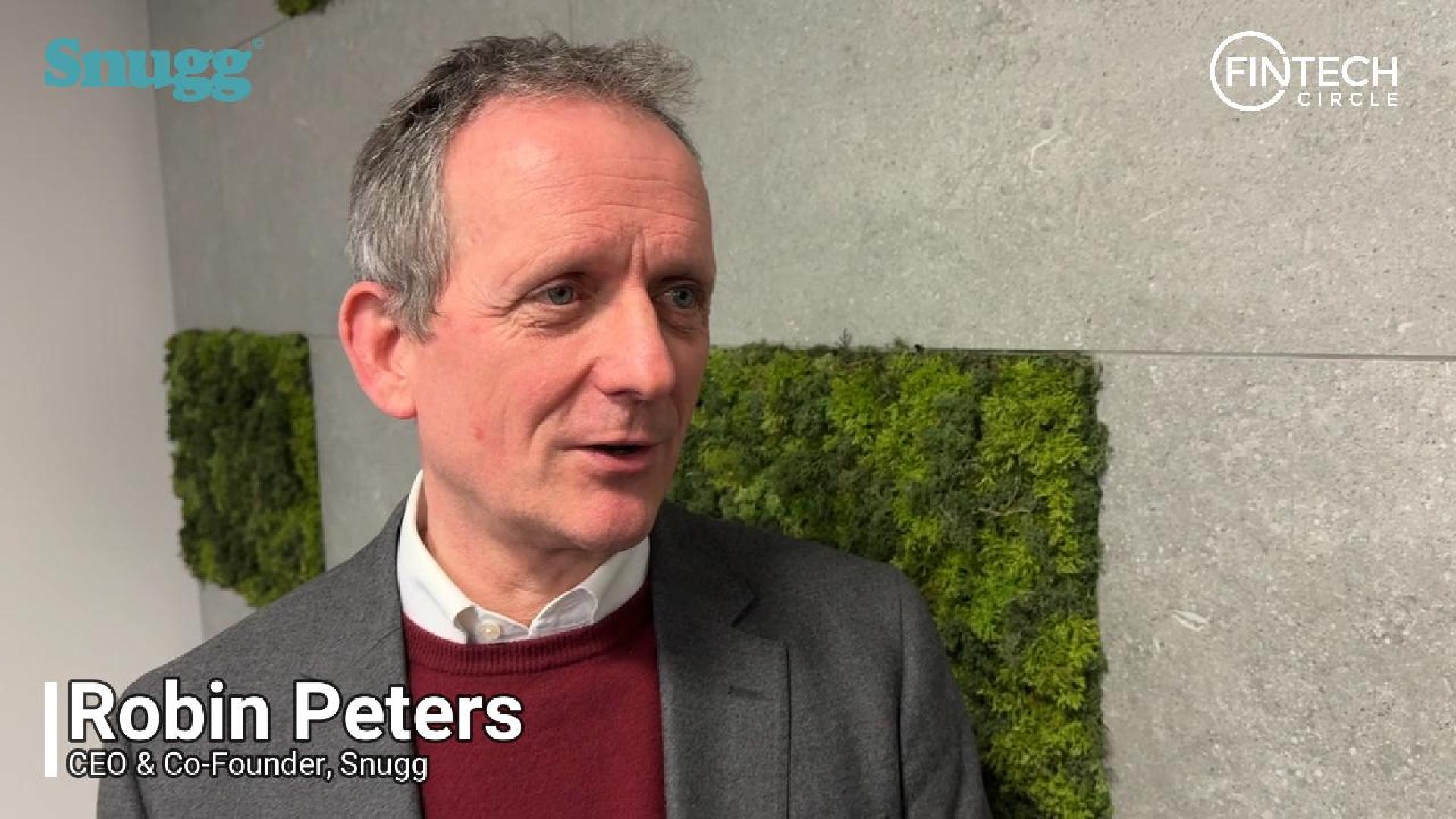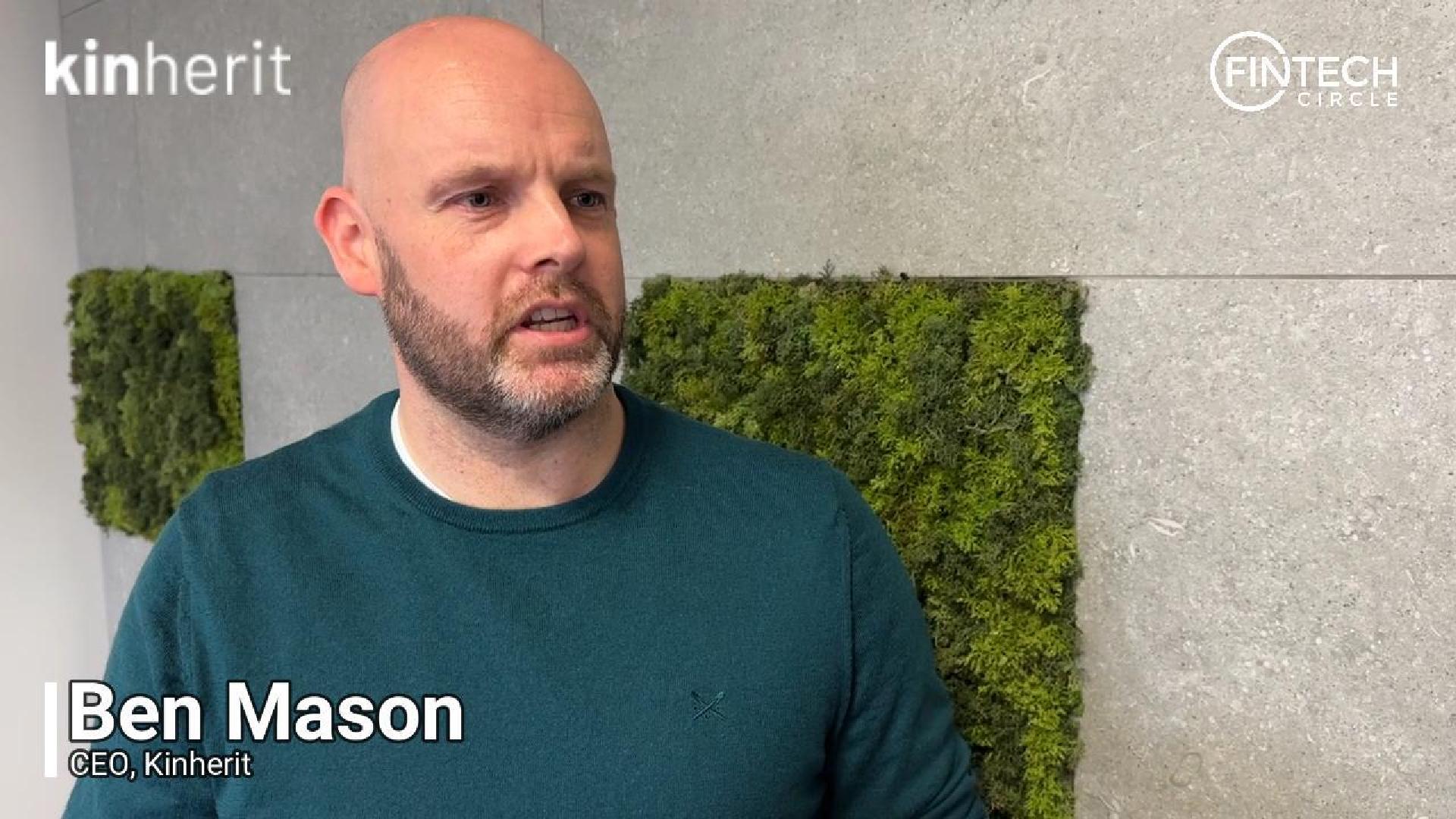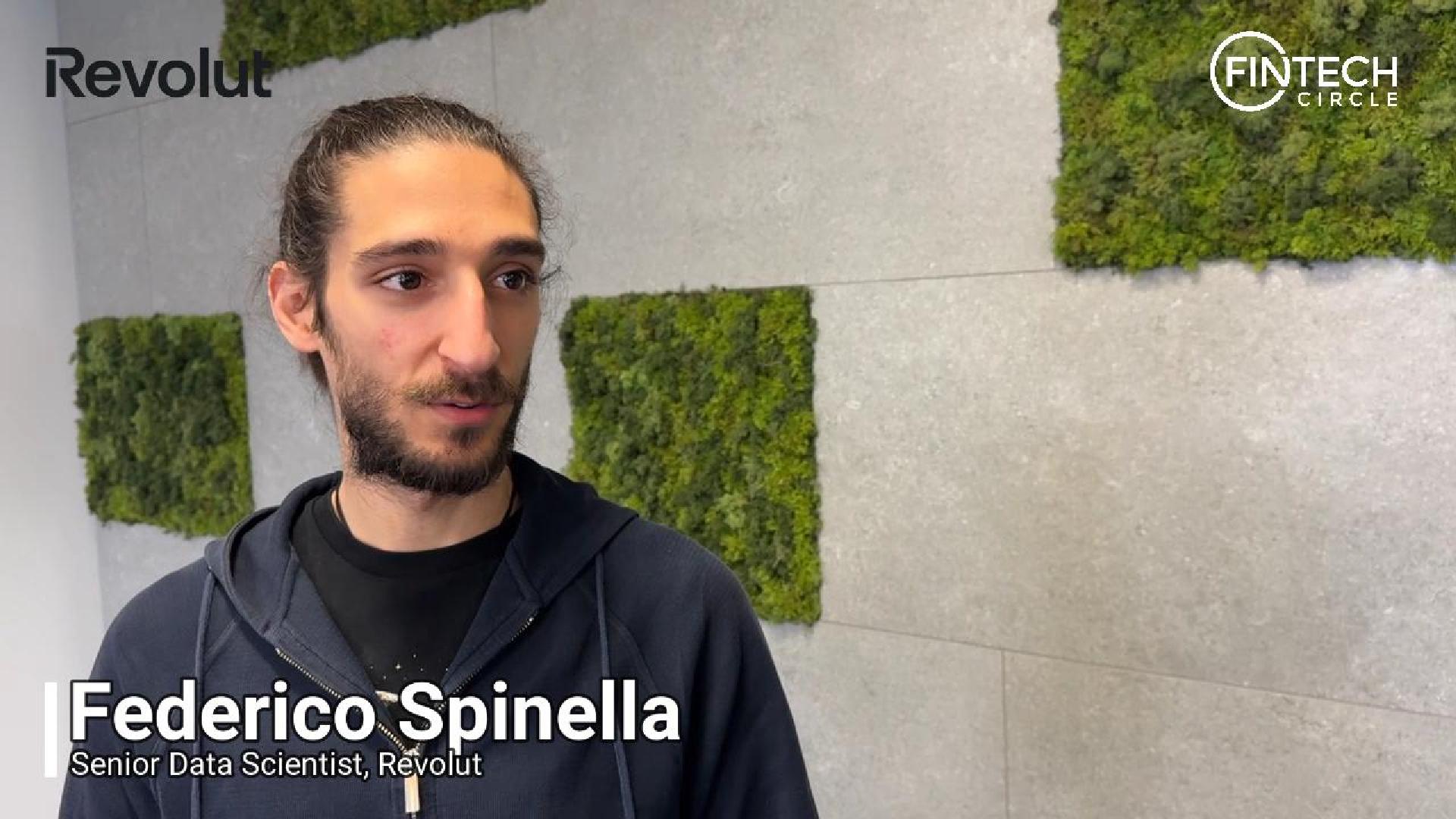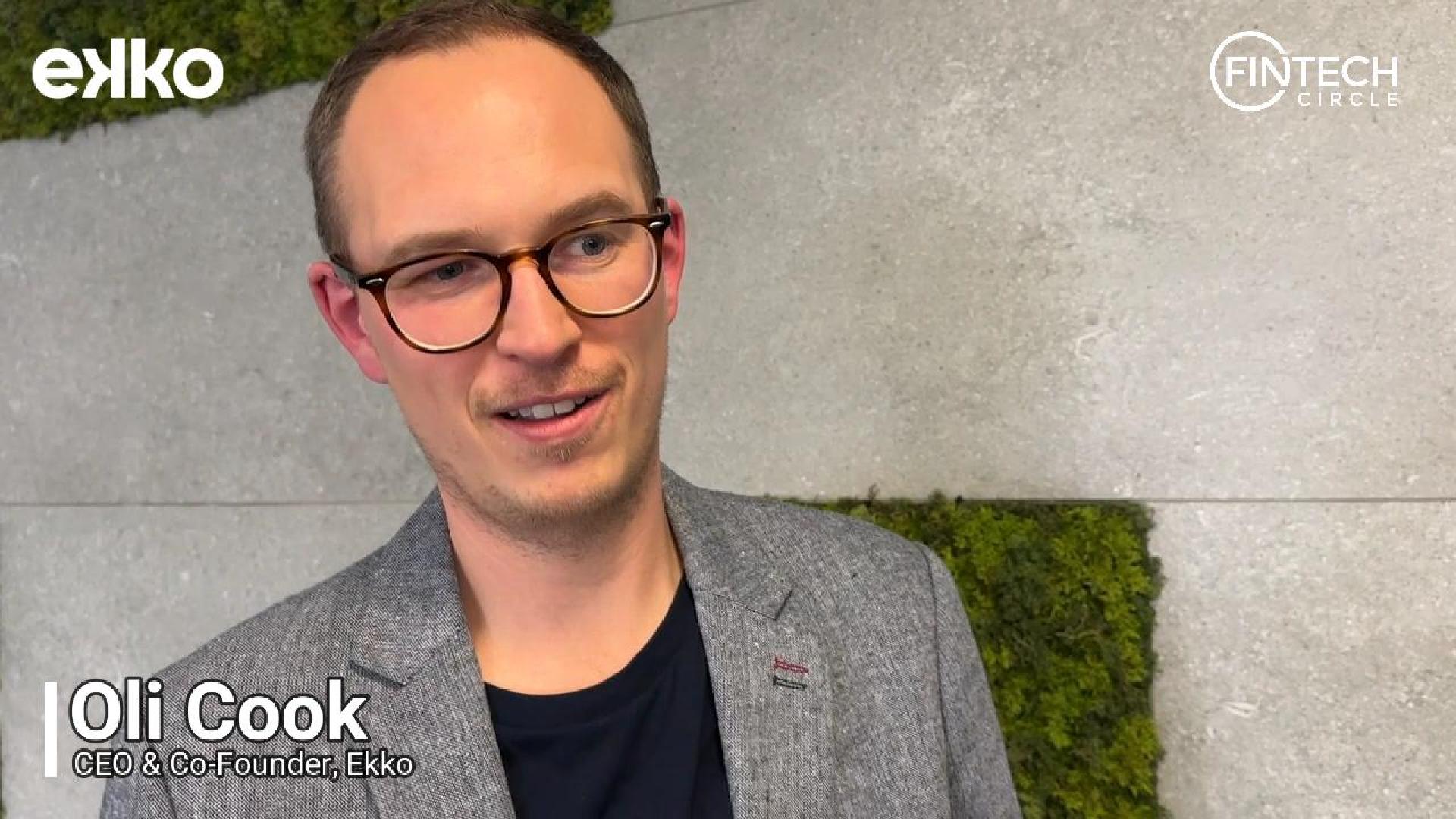
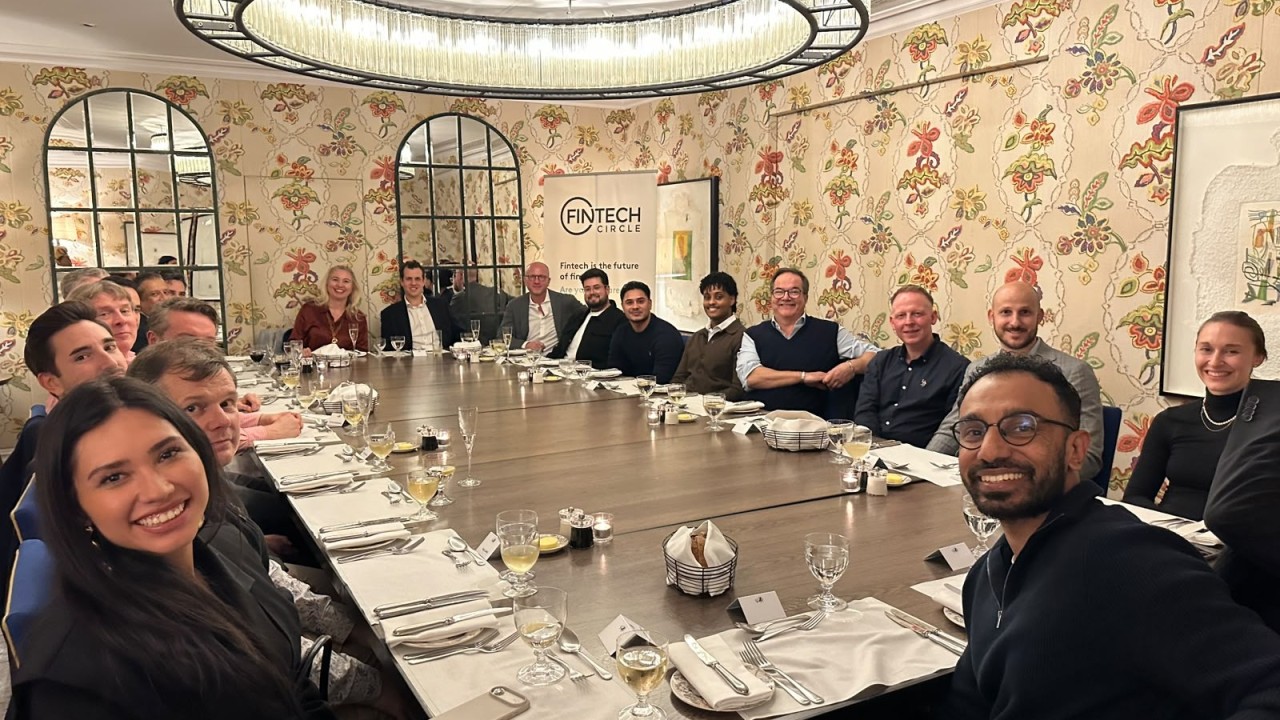
FINTECH Circle CEO Dinner in Covent Garden, London - November 2026
Eighteen fintech CEOs. One dinner table. Candid conversations, shared experiences and the beginning of lasting friendships.
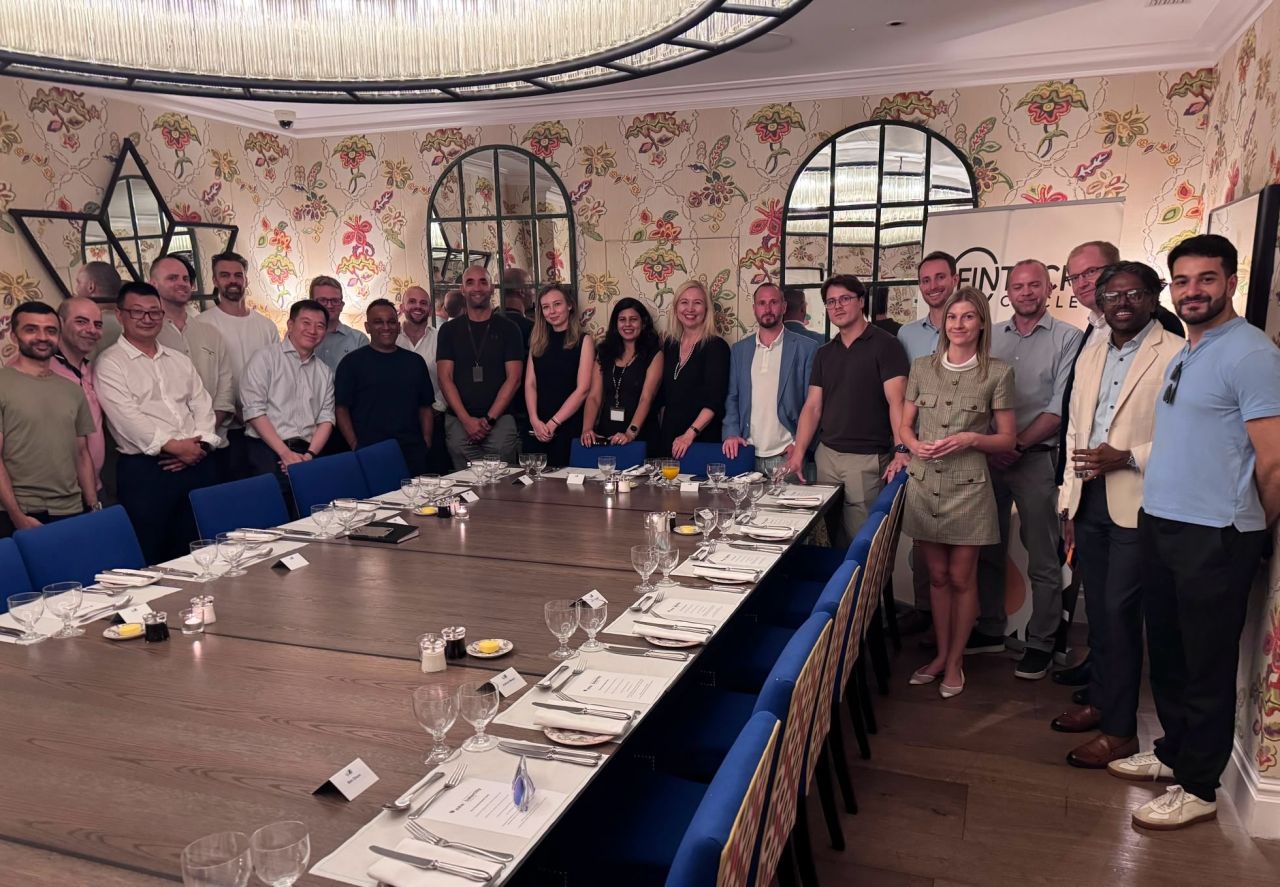
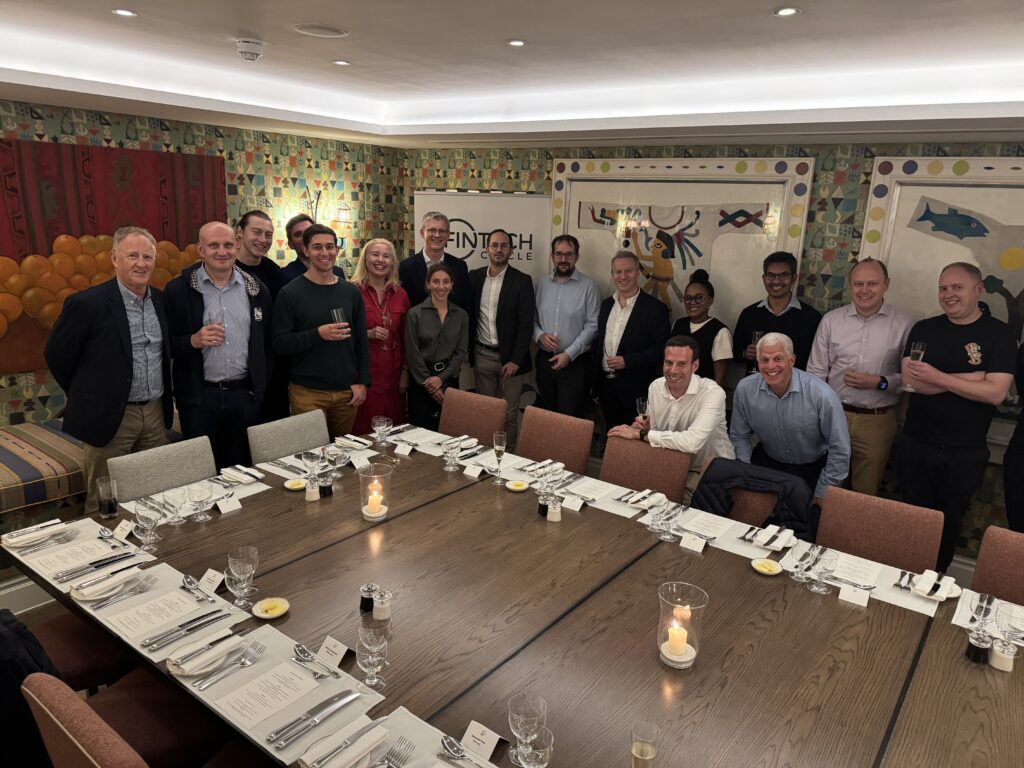
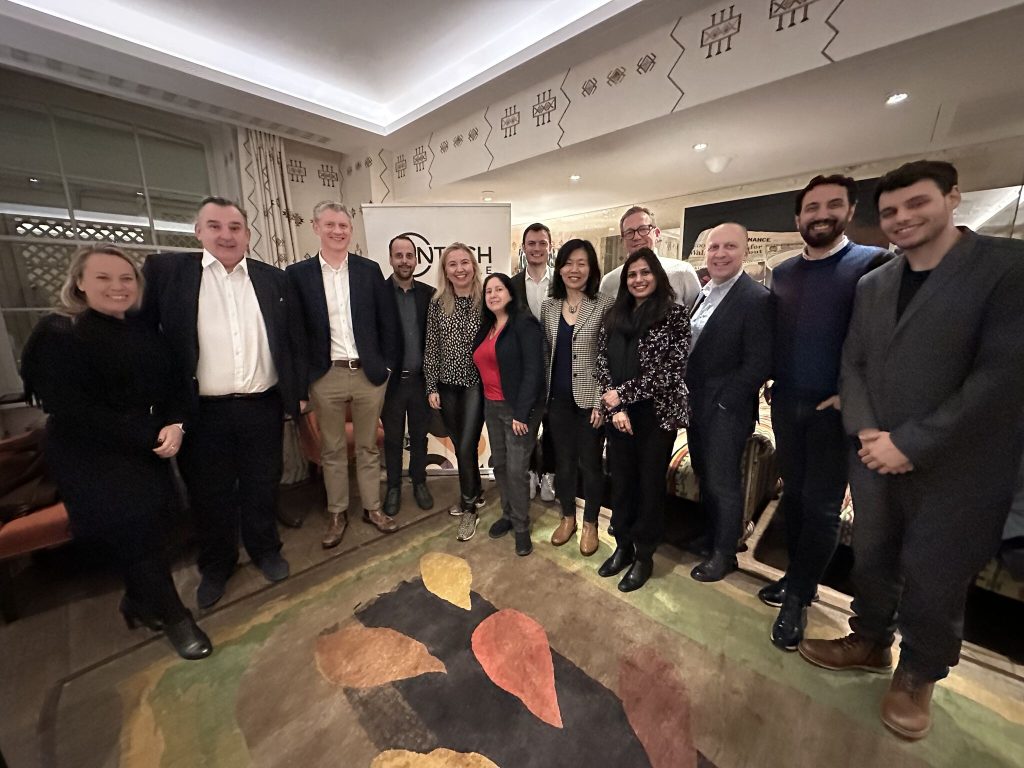
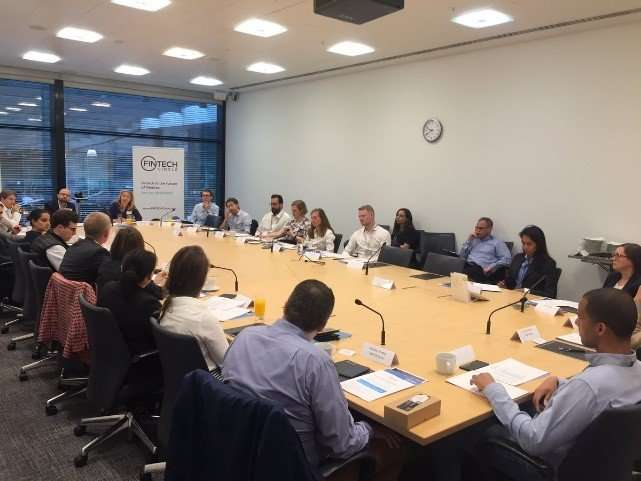
Yesterday evening, in the heart of Covent Garden, FINTECH Circle brought together 18 selected fintech CEOs for an evening that demonstrated something increasingly important in our industry: the power of community.
In an industry obsessed with innovation, disruption, technology, fundraising and growth, we can sometimes overlook one of the most valuable assets available to any entrepreneur: other people who understand the journey.
Building a fintech company is rarely straightforward. It means navigating complex regulation, securing institutional customers, attracting exceptional talent, managing capital, responding to technological disruption and making difficult decisions, often with incomplete information.
And while founders and CEOs are surrounded by employees, investors, advisers and customers, the reality is that leadership can be a lonely experience.
Who do you turn to when a major customer is taking years to make a decision? When your next funding round looks increasingly difficult? When you are rebuilding your leadership team? When a technological breakthrough threatens to make part of your business obsolete?
Sometimes, the most valuable person to speak to is another CEO who has faced exactly the same challenge.
That was the spirit of yesterday's FINTECH CEO Dinner at the Covent Garden Hotel.
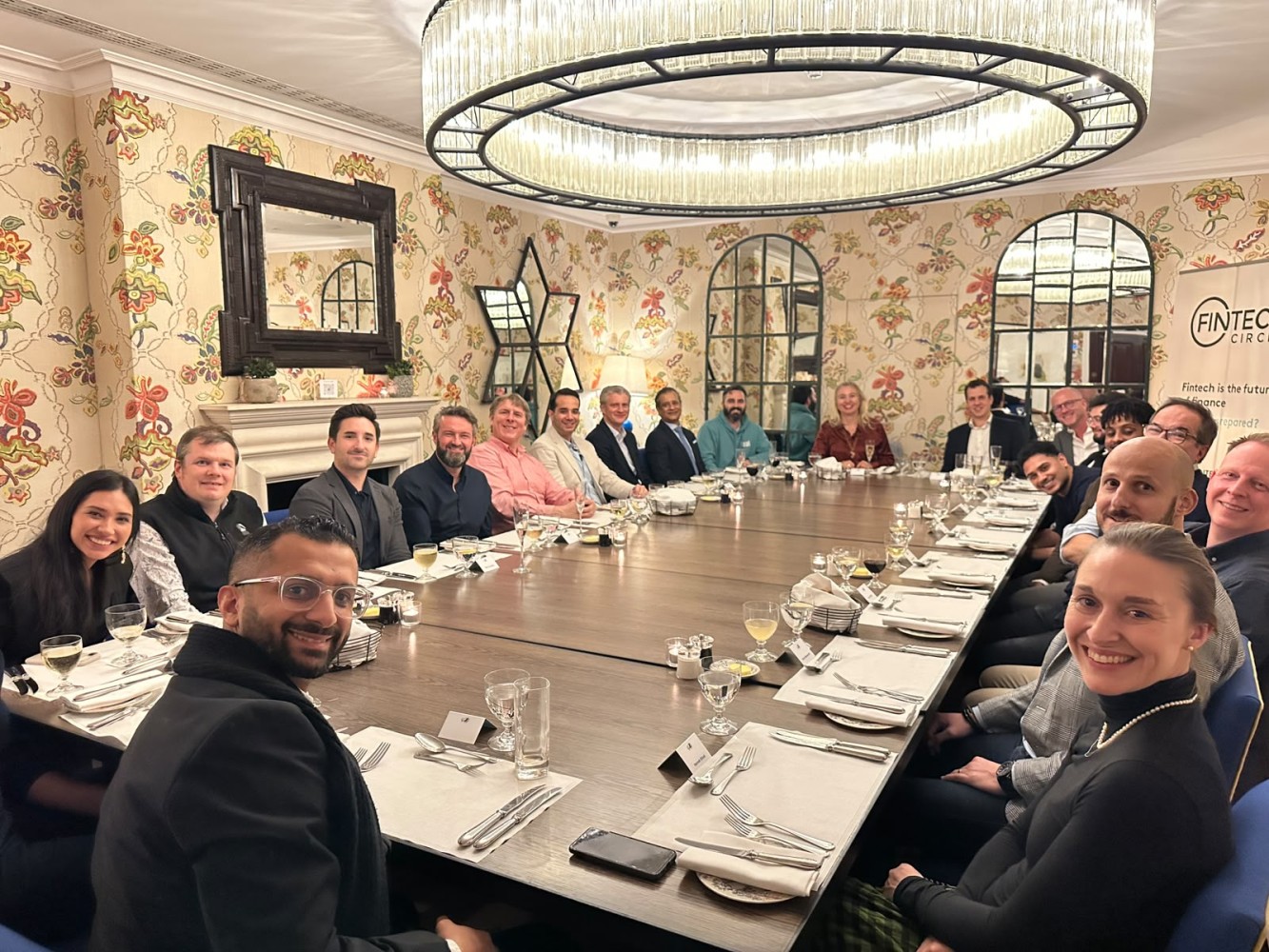
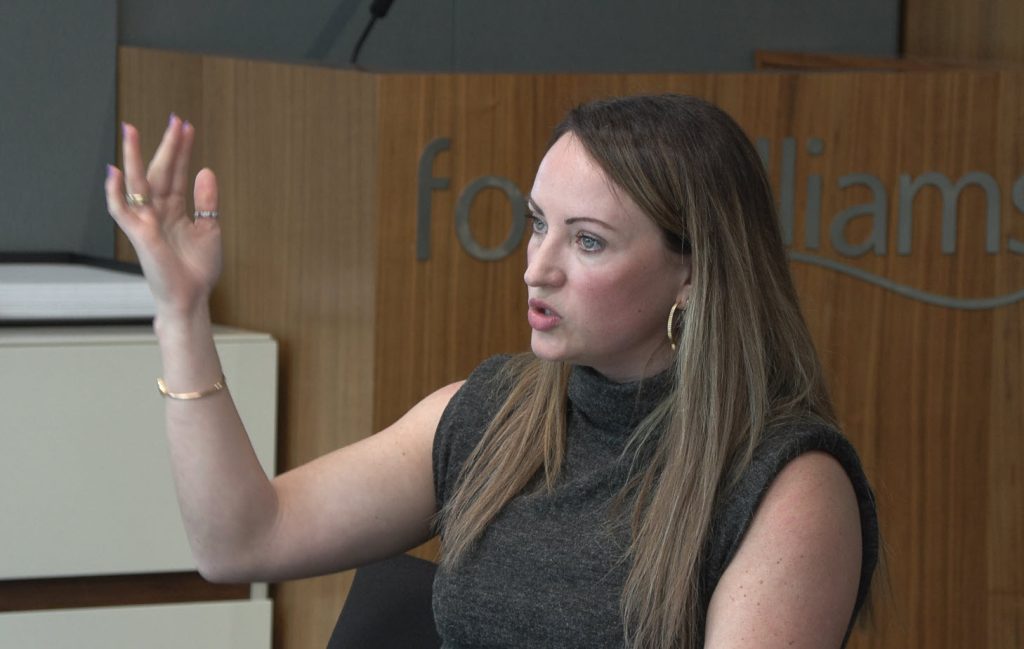
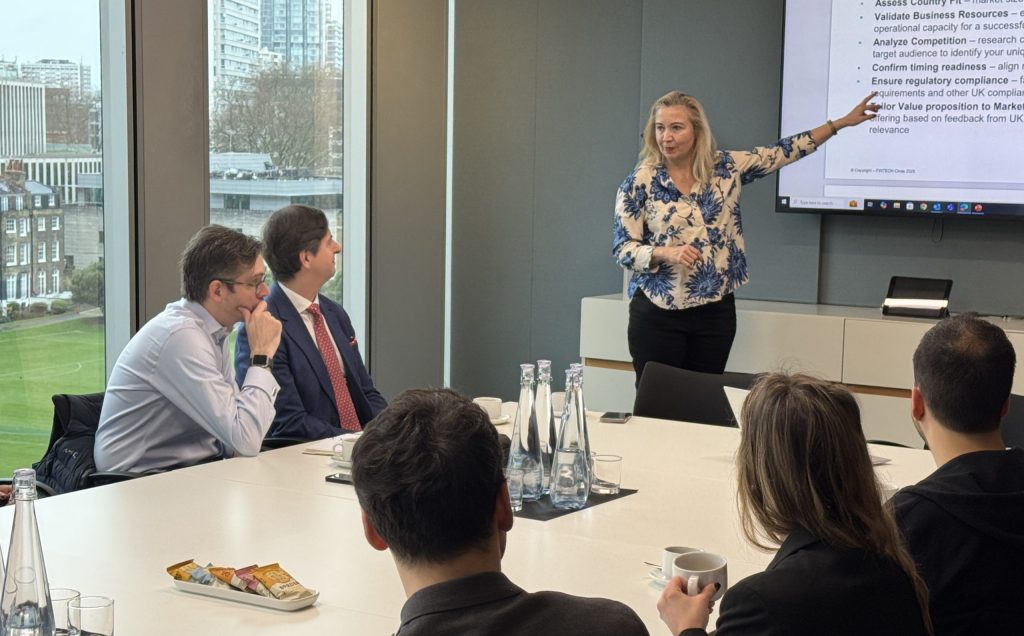
FINTECH Circle CEO Dinner in partnership with Fox Williams, November 2026
Beyond networking: creating genuine relationships
There is an important distinction between networking and building a community.
Networking is often transactional. You exchange business cards, introduce yourself, explain what your company does and explore whether there might be an opportunity to work together.
Community is different.
It is about building relationships based on shared experience, mutual respect and a willingness to help one another. It is about being able to have an honest conversation without worrying that every comment will become a commercial negotiation or an investor update.
Yesterday's dinner was deliberately designed around this principle.
Under Chatham House Rule, the 18 selected fintech CEOs were able to speak openly about their businesses, their ambitions, their challenges and their perspectives on the future of financial services.
The conversation moved well beyond the usual corporate introductions. There was a willingness to discuss what was working, what was not working and, importantly, what people were learning along the way.
These are the conversations that rarely happen on conference stages or in carefully curated panel discussions.
They happen when people around the table feel comfortable enough to share their experiences honestly.
And that is where community begins.
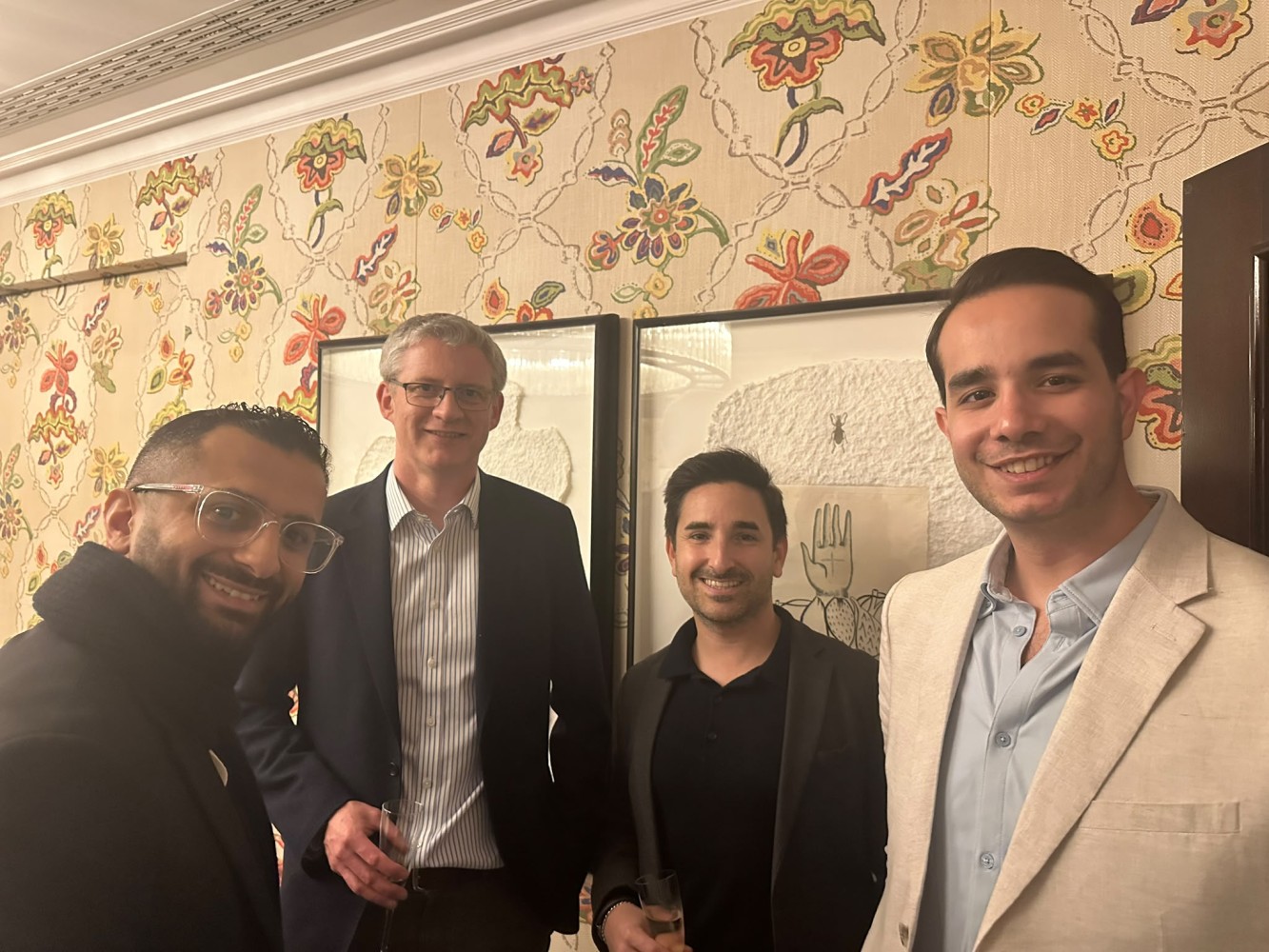
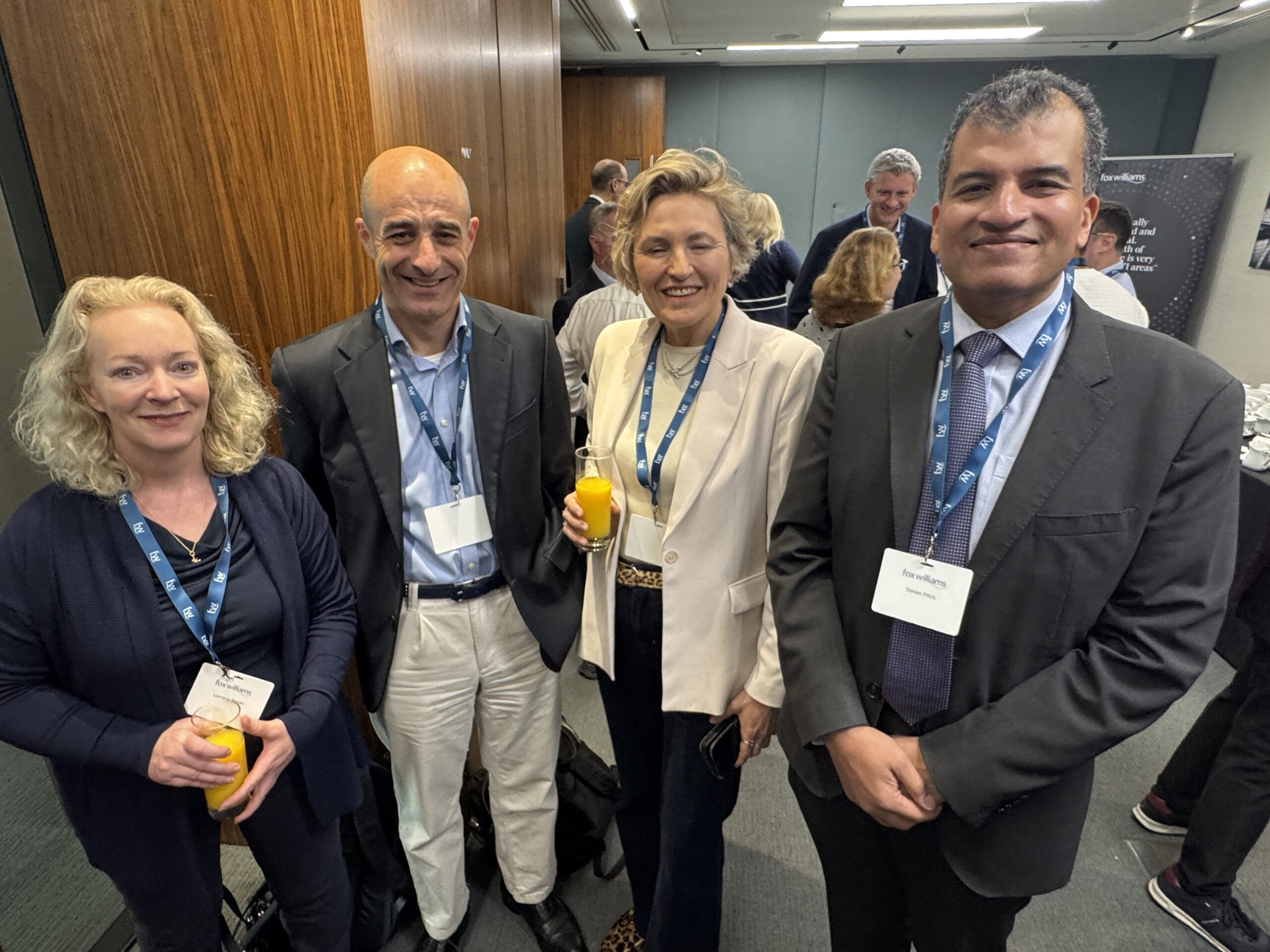
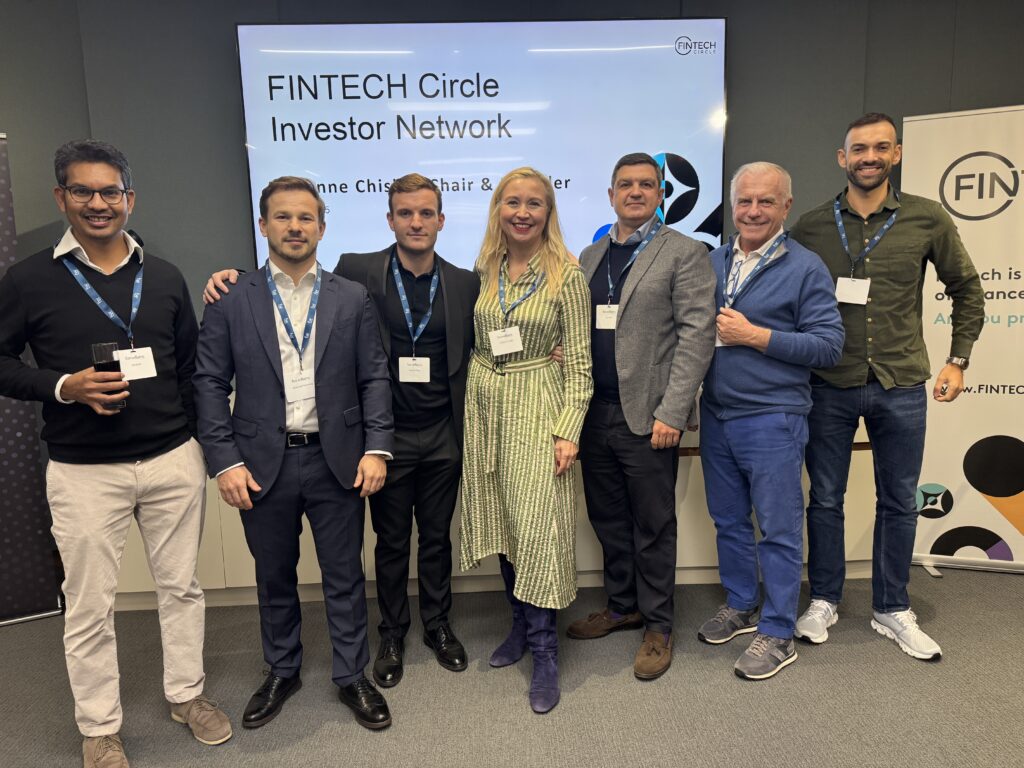
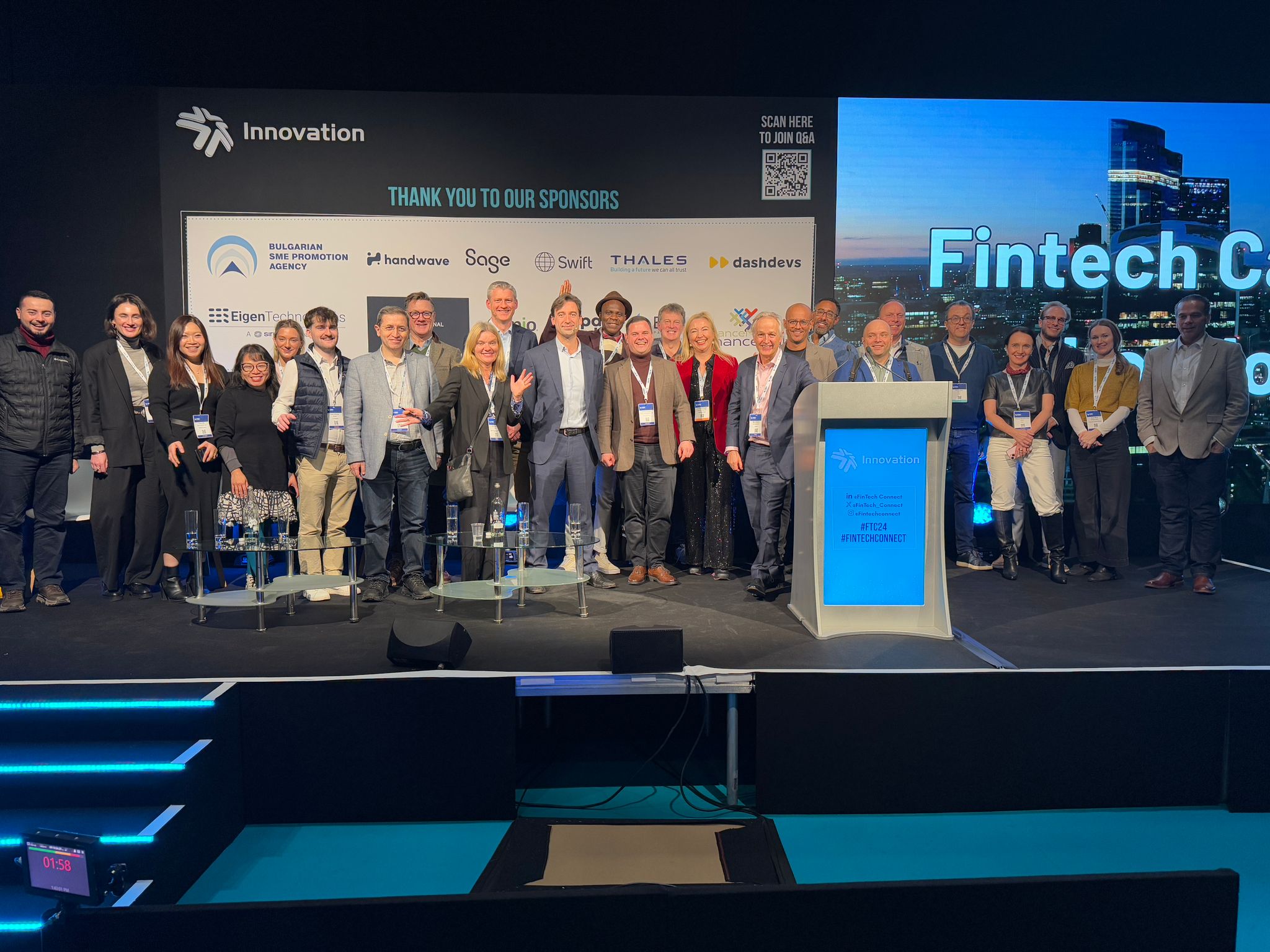
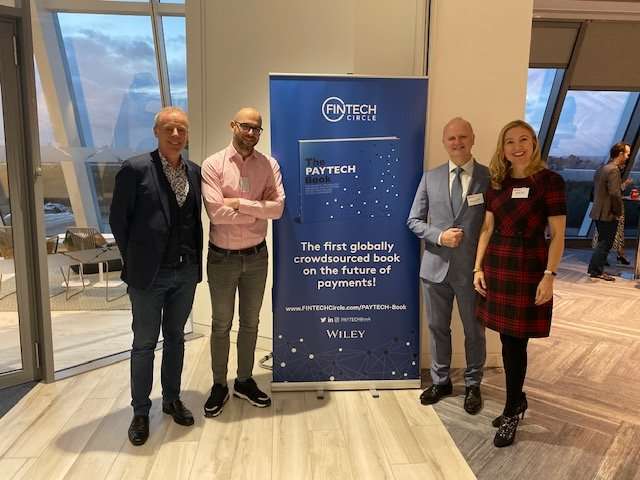
From left to right: Dr. Khaldon Al Karmadi, Chris Hill, Marc Faubeau, Behrad Ahmadpour
An industry at an extraordinary inflection point
One of the most striking aspects of the evening was the breadth of innovation represented around the table.
The businesses involved operate across an extraordinary range of financial technology: cross-border payments, stablecoins, digital assets, wealth management, SME finance, income verification, credit infrastructure, financial inclusion, trading analytics and payment automation.
Different business models, different markets and different stages of development, but many remarkably similar challenges.
The fintech industry is experiencing several profound changes simultaneously.
Artificial intelligence is transforming how businesses are built and operated. Stablecoins are creating new opportunities for global payments. Digital assets are moving towards more institutional infrastructure. Traditional financial institutions are reassessing their technology strategies. And the expectations of customers, regulators and investors continue to evolve.
For founders, this creates enormous opportunities, but also significant uncertainty.
The discussion around artificial intelligence was particularly fascinating.
Some CEOs described how they are already using AI agents to perform activities traditionally requiring entire teams. Others explained how they are building automated development pipelines, using AI to generate and test code, and reducing the time required to bring products to market.
The implications are substantial.
A founder who previously needed a team of five and six months to develop a product may now be able to deliver it independently in a fraction of that time.
AI is changing the economics of entrepreneurship.
However, there was also an important counterpoint: productivity without appropriate controls can introduce significant risk.
In financial services, security, compliance and reliability are not optional. AI-generated code must be tested, audited and reviewed. Data protection and cybersecurity need to be embedded into the development process rather than treated as an afterthought.
The emerging competitive advantage will not simply belong to companies using the most AI. It will belong to those that know how to combine AI with human expertise, sound judgement and responsible execution.
One particularly memorable observation captured the discussion: AI is a maximiser, not an equaliser.
It amplifies the capabilities of those who know how to use it effectively.

From left to right: Hannah Elliott, Hal Sarjant, Kevin Monserrat
The art of selling to large financial institutions
Another particularly valuable discussion centred on one of fintech's oldest and most persistent challenges: selling to large financial institutions.
For many fintech entrepreneurs, securing a major bank, insurer or global financial services company as a customer can transform their business.
Yet the sales process can be painfully slow.
The group explored the importance of finding a senior internal sponsor: someone with sufficient authority, conviction and influence to champion a new solution within a large organisation.
Without that support, even an excellent product can become trapped in layers of internal bureaucracy.
Credibility also matters enormously.
Established institutions are understandably cautious about adopting technology from smaller businesses. Having a recognised partner, an established industry relationship or a credible reference customer can make a material difference.
Sometimes, the fastest route into a major institution is through an existing supplier or strategic partner that already has the relationships and contractual infrastructure.
The underlying lesson was simple: selling to large institutions is not just about having the best technology. It is about understanding how decisions are made, how risk is perceived and how trust is established.
These insights are particularly valuable when shared by peers who have experienced the journey themselves.

From left to right: Sammi Teki, Tom Paton, Jeremy Sosabowski, Kevin Smith
What really creates a competitive moat?
In an environment where technology can increasingly be replicated, another important question emerged: what creates a sustainable competitive advantage?
The discussion identified several potential sources of defensibility.
Licensing and regulatory expertise can create significant barriers to entry, particularly in international payments and financial services. Building a regulatory footprint across multiple jurisdictions is expensive and time-consuming, but it can unlock customers and markets that are inaccessible to less established competitors.
Infrastructure and direct relationships matter too. Companies that have established their own connections with banks, payment networks, telecommunications providers and digital wallets may possess advantages over competitors relying entirely on third-party intermediaries.
Data is becoming another increasingly important asset.
As AI makes software development more accessible, proprietary datasets, specialist knowledge and the ability to interpret information may become more valuable sources of differentiation.
But perhaps the most interesting moat is human.
Understanding customers, navigating complex institutional relationships, recognising behavioural patterns and knowing how different communities operate are capabilities that cannot simply be replicated by writing another piece of software.
Technology may increasingly become a commodity. Trust, relationships, experience and execution will remain differentiators.

From left to right: Steve Taklalsingh, Isabella Perez Reyes, Peter Elfgren
The changing funding landscape
The dinner also explored the realities of building and financing fintech businesses in today's investment environment.
The venture capital market has become more demanding. Investors are scrutinising revenue quality, capital efficiency, commercial traction and the path to profitability much more closely.
The days when a compelling technology proposition alone could justify a substantial valuation are increasingly behind us.
At the same time, AI is changing the amount of capital required to build a company.
Smaller teams can achieve more. Founders can validate ideas faster. Products can be developed with fewer resources. Businesses can potentially reach meaningful commercial milestones before raising substantial external funding.
This creates an interesting tension.
On one hand, there are enormous amounts of capital flowing into AI infrastructure and technology. On the other, the market is increasingly focused on whether these investments can translate into sustainable businesses and attractive equity returns.
Consolidation is also becoming an important feature of the fintech landscape.
As funding becomes more selective, some companies will struggle to raise additional capital, while stronger businesses will have opportunities to acquire technology, talent and customers.
For founders, understanding the funding and M&A environment is becoming just as important as understanding their product market.
Having peers who have navigated acquisitions, investment negotiations and difficult strategic decisions can be invaluable.

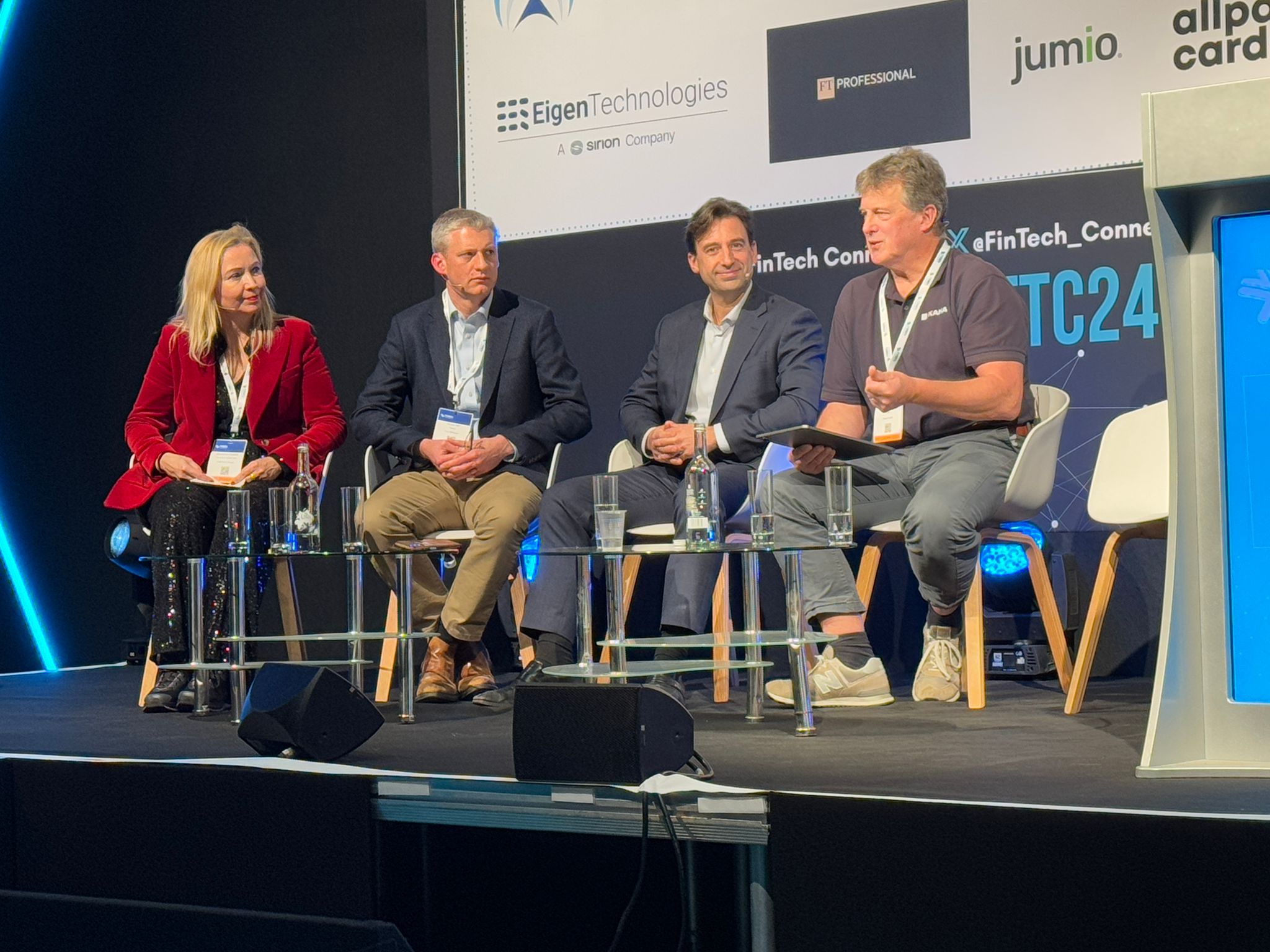
From left to right: Steve Taklalsingh, Dougal Brech, Susanne Chishti
The future of payments and the rise of AI agents
Perhaps one of the most thought-provoking discussions concerned the future of financial services interfaces.
What happens when consumers no longer need to open multiple applications to complete everyday tasks?
Imagine asking an AI agent to find a service provider, compare prices, negotiate the best deal, make a booking and complete the payment.
The agent handles the process. The consumer simply authorises the transaction.
This is no longer purely theoretical.
Developments in agentic AI are already demonstrating the ability to complete multi-step tasks across different platforms.
For payments companies, banks and fintech infrastructure providers, the implications are profound.
If AI agents increasingly initiate transactions on behalf of consumers and businesses, the traditional application may become less central to the customer experience.
New infrastructure will be needed to support identity verification, authorisation, compliance, payments and interactions between autonomous agents.
The opportunity is enormous, but so are the challenges.
Security, consumer protection, authentication and liability will all need to evolve.
The companies that anticipate these changes could help define the next generation of financial services.

From left to right: Hal Sarjant, Kevin Monserrat, Susanne Chishti
The importance of having people who understand
Across all these discussions, one theme kept returning: the importance of people.
Technology may change the nature of financial services, but building a successful company remains fundamentally a human endeavour.
Hiring the right leaders, developing a strong culture, retaining exceptional talent, finding strategic partners and building trust with customers are still essential.
The role of a CEO is also changing.
Leaders increasingly need to understand not just how to manage people, budgets and boards, but also how to manage AI agents, assess technological risks and make decisions about where automation creates genuine value.
Yet no technology removes the responsibility of leadership.
Ultimately, someone still has to make the difficult decisions, take accountability and inspire others to follow.
And that is precisely why a community of experienced peers matters.
A CEO community creates a space where leaders can compare experiences, challenge assumptions, share introductions, explore partnerships and learn from mistakes without having to make every mistake themselves.
Sometimes, one conversation can save months of wasted effort.
Sometimes, one introduction can open a market.
Sometimes, hearing that another founder has faced the same problem can provide the confidence to keep going.
And sometimes, the most valuable outcome is simply a new friendship.

From left to right: Isabella Perez Reyes, Susanne Chishti, Peter Elfgren and Tom Paton
A special thank you to our sponsor: Fox Williams LLP
A successful evening like this does not happen without people and organisations who believe in the value of bringing the fintech community together.
We would particularly like to thank Chris Hill, Partner at Fox Williams LLP, for sponsoring yesterday's FINTECH CEO Dinner and supporting the FINTECH Circle community.
Fox Williams is a leading London law firm with a strong reputation in technology, financial services and fintech. Its lawyers advise businesses ranging from early-stage startups to established financial institutions on corporate transactions, commercial technology agreements, intellectual property, data, payments, e-money, open banking and regulatory matters. Chris Hill brings considerable fintech and payments expertise, helping entrepreneurs and established businesses navigate the legal and regulatory complexities of developing, launching and scaling innovative financial products. His support for the fintech ecosystem makes Fox Williams a valuable partner for ambitious businesses operating in this sector.
Thank you, Chris, Hannah Elliott, Andrew Woolf and the wider Fox Williams team, for supporting the community and helping make the evening possible.
Website:

FINTECH Circle CEO Dinner & Drinks in Covent Garden, London in partnership with Fox Williams
From a dinner table to a lasting community
At FINTECH Circle, we believe that bringing the right people together can create value far beyond the event itself.
Our ambition is not simply to organise dinners or networking opportunities. It is to build a trusted ecosystem in which fintech leaders can support one another throughout their entrepreneurial journeys.
Yesterday was an important expression of that ambition.
Eighteen selected CEOs came together in Covent Garden. They represented different businesses, different experiences and different perspectives on the future of financial services.
They shared insights, challenged ideas, discussed opportunities and explored some of the most important questions facing the industry.
Most importantly, they began building relationships that can continue long after everyone has returned to their offices.
There is something powerful about knowing that you have a group of people you can call who understand the pressures of running a fintech company.
People who understand the regulatory landscape, the challenges of fundraising, the complexity of enterprise sales, the realities of hiring and the responsibility that comes with leading a growing business.
That is the power of community.
The next generation of successful fintech companies will undoubtedly be built on technology, innovation, capital and execution.
But they will also be built on relationships.
Because while competition drives progress, collaboration creates opportunities that individual companies may never achieve alone.
The most valuable thing around yesterday's dinner table was not what anyone brought to the table commercially. It was what everyone was willing to share.
And perhaps that is the real power of community.
Meet the 18 fintech leaders who joined us
We are delighted to recognise the 18 leaders who joined the FINTECH Circle CEO Dinner (in alphabetical order below). Their businesses represent the diversity, ambition and innovation of today's fintech ecosystem.
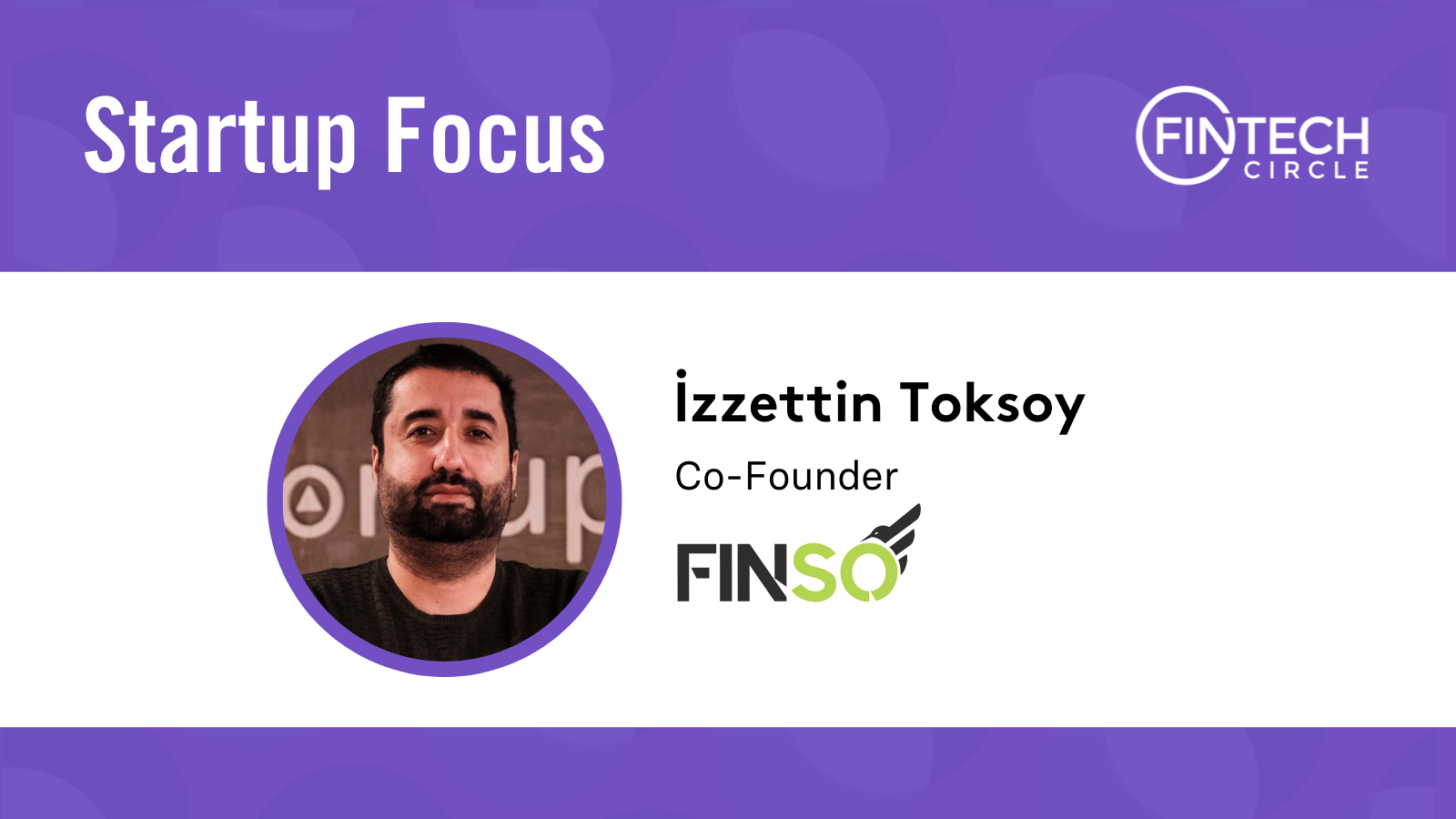
1. Behrad Ahmadpour — ShardNet
ShardNet is developing financial infrastructure designed to help people access financial services in markets where traditional systems may be restricted by censorship or geopolitical barriers. Its work explores how decentralised infrastructure and blockchain networks can support more resilient financial access and cross-border transactions.
Website:
2. Benjamin Fernandes — NALA
NALA is a cross-border payments business using stablecoin infrastructure to make international money movement faster and more efficient. Operating at significant scale, the company serves global payment needs and has established relationships with major industry players. Its international ambitions demonstrate the growing role of stablecoins in mainstream financial services.
Website:
3. Brian Hanrahan — GoCardless
Brian brings extensive experience in the payments industry, including leadership experience with Nuapay, now part of GoCardless. GoCardless is a global bank payment company helping businesses collect payments through direct debit and open banking. Its technology enables recurring and one-off payments, helping businesses improve payment efficiency and reduce reliance on traditional card infrastructure.
Website:
4. Dougal Brech — Liquidity Digital Assets
Liquidity Digital Assets is developing regulated digital capital markets focused on the tokenisation of private credit and other real-world assets. By combining blockchain technology with established financial market structures, the business aims to make traditionally illiquid assets more accessible and tradable for professional investors and financial institutions.
Website:
5. Fawaaz Abbas — Zahlo
Zahlo is building a modern payments proposition for merchants, bringing together online checkout, in-person acceptance and emerging AI-assisted purchasing experiences. Its ambition is to make accepting payments more commercially attractive through transparent pricing, flexible payment methods and infrastructure designed for the changing world of commerce.
Website:
6. Hal Sarjant — ROSA
ROSA provides independent verification infrastructure for mortgage lenders, originators and funders. Its technology focuses on identifying double-pledging, where the same loan may be used to secure funding more than once. By providing independent monthly verification and greater transparency around loan portfolios, ROSA aims to strengthen trust and confidence in non-bank mortgage finance.
Website:
7. Isabella Perez Reyes — Cambridge Fintech Venture
Isabella is developing a fintech venture connected to the Cambridge entrepreneurial ecosystem, with a particular interest in SME finance, financial inclusion and building better financial infrastructure for smaller businesses. Her experience includes international development finance, and her ambition is to help create the next generation of financial services solutions for SMEs.
Website:
https://founders.cam.ac.uk/programmes/sync/
8. Jeremy Sosabowski — AlgoDynamix / R42
AlgoDynamix is a Cambridge-originated financial technology business developing AI-driven predictive analytics for financial markets. Its technology analyses market behaviour and order-book data to identify potential directional price movements, helping investors, traders and risk managers make better-informed decisions. The business is focused on applying advanced mathematical research to real-world financial market challenges.
Website:
9. Kevin Monserrat — Execution Capital
Execution Capital is developing a people-first investment and venture-building platform focused on helping companies access experienced operators and specialist expertise. Its model aims to bridge the gap between investment capital and practical execution, enabling founders and investors to access the talent needed to build and scale businesses.
Website:
https://www.execution.capital/
10. Kevin Smith — banxlocal
banxlocal is developing an innovative multi-bank, multi-service financial platform that combines physical branches with digital banking capabilities. Its ambition is to bring more choice and accessibility back to local communities by connecting customers with multiple financial service providers through a shared physical and digital infrastructure.
Website:
11. Khaldon Al Karmadi — Global Cambridge Centre
Global Cambridge Centre is focused on connecting the Cambridge innovation ecosystem with international opportunities, particularly across the Gulf Cooperation Council region. Its work centres on building relationships between entrepreneurs, institutions, investors and businesses to support international collaboration, market access and growth.
Website:
12. Marc Faubeau — Tredit
Tredit is building infrastructure for private credit markets, bringing corporate borrowers, arrangers and institutional lenders together through a more transparent and efficient digital platform. Its technology aims to digitise the private debt lifecycle, including origination, structuring, due diligence, distribution and ongoing monitoring, with AI and blockchain helping reduce friction and improve access to capital.
Website:
https://www.treditfinance.com/
13. Michael Hart — Teal
Teal provides income and employment verification infrastructure for financial services businesses and other organisations. Through direct connections to payroll and employment data, Teal helps lenders and other providers verify applicants' financial circumstances more accurately and efficiently. Its technology supports better affordability assessments and more informed lending decisions.
Website:
14. Peter Elfgren — EftaaPay
EftaaPay is a unified commerce technology platform connecting payments, business operations and customer engagement. Its modular and white-label infrastructure enables partners to offer merchants integrated payment acceptance, commerce management and loyalty capabilities under their own brands, helping businesses expand their services and support SME growth.
Website:
15. Sammi Teki — ALFRD
ALFRD is developing an AI-native finance transformation platform for finance teams and accounting professionals. It maps business processes, captures operational knowledge and deploys AI agents to automate repetitive financial workflows such as reconciliation, reporting and document processing, while keeping qualified finance professionals involved in reviewing and approving outputs.
Website:
16. Steve Taklalsingh — Amaiz
Amaiz provides digital business accounts, international payments and financial management services for businesses. Its platform supports multi-currency accounts, payment cards, global transfers and business account management, helping companies manage their finances and make payments across international markets.
Website:
17. Toby Lewis — Reserve
Reserve is building a Bitcoin-backed lending proposition designed to allow Bitcoin holders to access liquidity without selling their Bitcoin. Its approach focuses on collateralised lending, segregated custody and institutional-grade security, with a clear ambition to operate within the evolving UK regulatory framework for cryptoasset businesses.
Website:
18. Tom Paton — Orderlinks
Orderlinks is developing B2B payments and accounts receivable automation technology for SMEs. Its platform connects business buyers and suppliers through digital payment portals, automated invoice management and bank payment capabilities. By reducing administrative friction and improving reconciliation, Orderlinks helps businesses get paid faster and manage their cash flow more effectively.
Website:
Join the FINTECH Circle community
At FINTECH Circle, we believe that successful businesses are built not only through great products and talented teams, but also through the right relationships, strategic advice, investment and access to opportunities.
Since 2014, FINTECH Circle has been building an ecosystem connecting fintech entrepreneurs, investors, senior executives and board-level talent.
Our services include:
For fintech startups and scaleups
- Startup and scaleup membership.
- Introductions to potential investors and funding opportunities.
- Commercial introductions to financial institutions and strategic partners.
- Complimentary Pop-Up Boards for qualifying scaleups, bringing experienced Chairs, Non-Executive Directors and investors together to address strategic business challenges.
- Access to an ecosystem of experienced fintech entrepreneurs and industry leaders.
For investors
- A curated Investor Network.
- Access to vetted fintech investment opportunities.
- Connections with experienced fintech investors and entrepreneurs.
- Opportunities to discover and support innovative early-stage and growth businesses.
For experienced executives and aspiring board members
- The FINTECH Circle Board Programme, designed to prepare senior professionals for Non-Executive Director, Chair, Board Advisor and fractional executive positions.
- Board governance, regulatory and fintech education.
- Board CV and biography development, interview preparation and coaching.
- Introductions to executive search firms and opportunities to connect with fintech CEOs and board members.
For the wider fintech ecosystem
- Exclusive CEO dinners and leadership gatherings.
- Industry events, webinars and thought leadership.
- Our annual Board & CEO Summit.
- Opportunities to connect fintech founders, financial institutions, investors and senior executives.
We are passionate about creating an environment where people can share knowledge, build meaningful relationships and create opportunities together.
Whether you are a fintech founder looking to scale, an investor seeking exciting opportunities, or an experienced executive looking to develop a board career, there is a place for you in our ecosystem.
Because the future of fintech will not be built by individual companies working in isolation. It will be built by a community of people willing to collaborate, support one another and turn shared ambition into collective success.
Find out more about FINTECH Circle and explore our services:
Connect. Collaborate. Create opportunities.