Date: January 08 2026
Author: FINTECH Circle
As 2026 begins, global investors find themselves navigating one of the most complex macroeconomic and geopolitical environments in recent memory. From heightened geopolitical tensions and shifting monetary policy to the accelerating impact of artificial intelligence on productivity, employment, and capital markets, the signals are both powerful and contradictory.
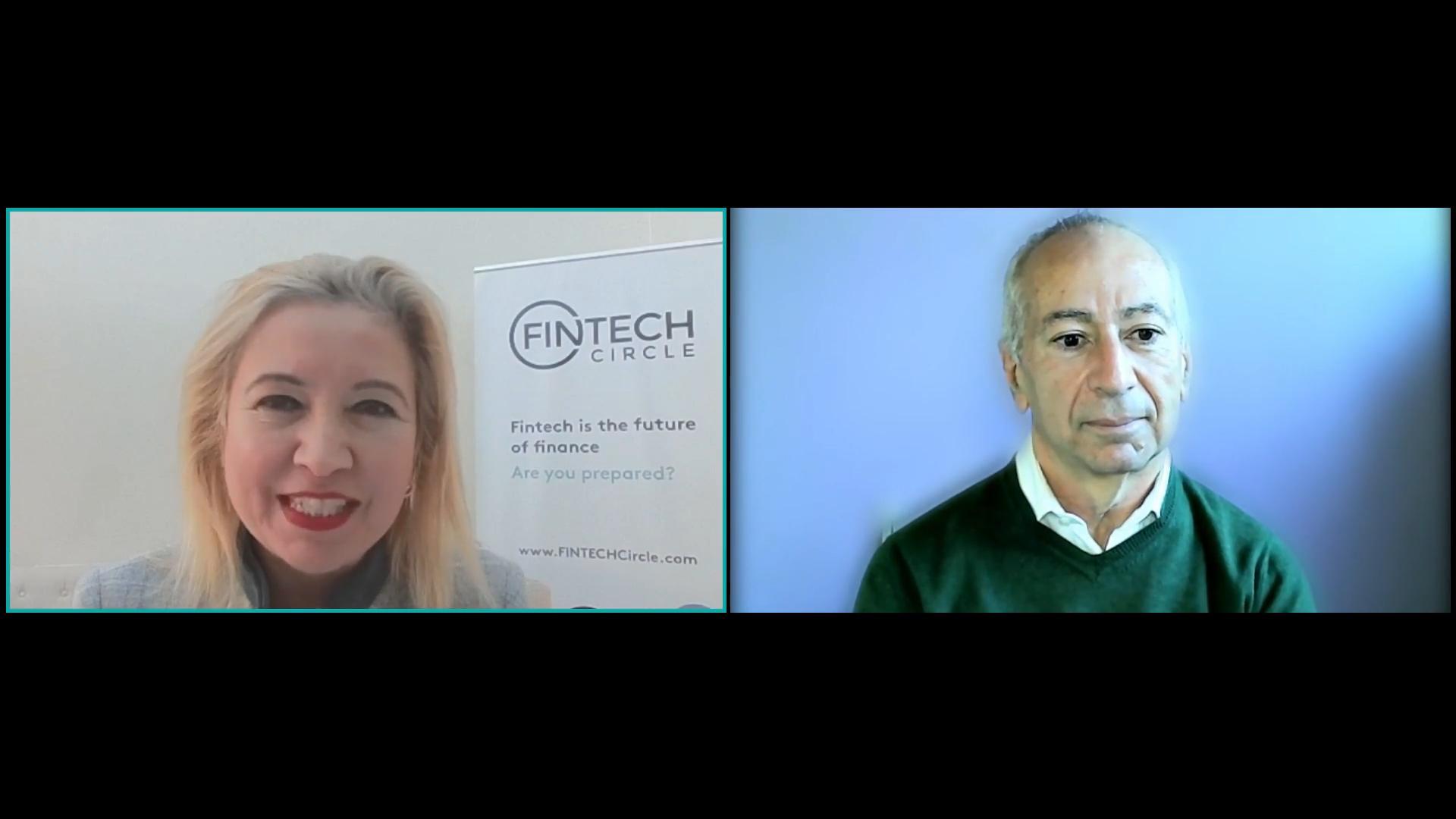
To help founders, investors, and financial leaders make sense of this evolving landscape, FINTECH Circle opened the year with its first webinar of 2026: Finance & Money Matters, a deep-dive discussion focused on macro-economic themes, strategic asset allocation, and how to position portfolios for the year ahead.
The session was moderated by Susanne Chishti, Founder & Chair of FINTECH Circle, and featured Ben Hakham, Partner at Trade Routes Capital, a seasoned investor managing wealth for families and family offices globally.
Together, they explored how macro forces are shaping markets across geographies, industries, and asset classes, well beyond fintech alone.
A World in Flux: Setting the Macro Context for 2026
The discussion opened with a recognition that 2026 has already begun against a backdrop of global uncertainty. From geopolitical developments in Venezuela to ongoing debates around an AI-driven economic bubble, investors are grappling with how to interpret fast-moving headlines and separate noise from signal.
Rather than focusing narrowly on one sector or geography, the webinar deliberately took a top-down, macroeconomic approach. As Susanne Chishti noted, the goal was to understand how global trends translate into real investment decisions and where traditional assumptions may no longer hold.
Ben Hakham framed the discussion around a disciplined investment process: starting with macro assumptions, translating them into investment themes, and then building strategic asset allocation complemented by tactical adjustments throughout the year.
US Policy, Elections, and the Return of Expansionary Conditions
A central theme of the conversation was the outsized influence of the United States on global markets in 2026. With US mid-term elections approaching in November, fiscal and monetary policy is expected to remain highly accommodative in the first half of the year.
Key factors highlighted included:
Expansionary fiscal policy driven by tax credits and fiscal support
A reshaping of the Federal Reserve through new appointments aligned with the current administration
A strong likelihood of lower US interest rates, potentially falling towards or below 3%
Rising inflation risks later in the year, creating the prospect of negative real yields
This combination, Ben argued, creates a near-term environment that is supportive of risk assets but one that also stores up inflationary pressures for the second half of the year.
Inflation, AI, and the Changing Nature of Productivity
Artificial intelligence featured prominently throughout the discussion not as a speculative trend, but as a structural force already reshaping productivity, employment, and capital allocation.
While AI-driven productivity gains may help dampen inflation in the short term, the longer-term consequences are more complex. Increased automation and decision-making through AI are expected to:
Boost corporate productivity
Displace segments of the workforce, particularly in middle-income roles
Accelerate the hollowing-out of the middle class
Shift capital expenditure heavily towards data centres, semiconductors, and energy infrastructure
This dynamic creates both opportunity and risk particularly as massive capital investment flows into AI-related infrastructure and platforms.
Commodities, Energy, and the Role of Gold
Another major theme was the outlook for commodities. Against a backdrop of lower interest rates, a weakening US dollar, and rising inflation expectations, commodities particularly gold were highlighted as beneficiaries.
Gold prices are already at their highest levels since the mid-1970s, supported by:
Central bank buying
De-dollarisation trends
Negative real yields
Heightened geopolitical uncertainty
In energy markets, the discussion focused on the political balancing act around oil prices particularly the desire to keep prices within a controlled range to limit inflation while sustaining US shale production.
Beyond oil, commodities such as uranium and copper were identified as strategically important, driven by the energy demands of AI and the increasing role of nuclear power.
Regional Perspectives: Winners and Losers in 2026
United States
The US remains the dominant global growth engine. Despite inflation risks, US exceptionalism continues, supported by liquidity, innovation, and market depth. Equity markets are expected to remain resilient in the first half of the year.
Europe (ex-UK)
Europe faces sluggish growth but relative monetary stability. The euro is expected to remain resilient against the US dollar, with selective opportunities, particularly in sectors such as luxury goods, where Europe maintains global leadership.
United Kingdom
The UK outlook was notably more cautious. With weak growth, rising fiscal deficits, and increasing reliance on government borrowing, pressure on gilt yields and sterling is expected. A potential policy misstep by the Bank of England could exacerbate inflation and currency weakness.
Japan
Japan stood out as a rare bright spot among developed markets. As the only major economy raising interest rates, Japan is seeing currency strength, capital repatriation, and renewed attractiveness of domestic assets.
Emerging Markets
Emerging markets were viewed positively, benefiting from a weaker US dollar, commodity exposure, and integration into global technology supply chains.
Investment Themes for 2026
Three dominant investment themes emerged from the discussion:
1. The AI and CapEx Cycle
The AI investment cycle is far from over. While risks exist particularly around concentration in the semiconductor supply chain AI continues to drive capital expenditure, productivity gains, and corporate earnings growth.
2. The Inflation and Commodities Trade
Rising inflation expectations favour real assets, including commodities, gold, and emerging markets.
3. Yield Curve Dynamics and Financials
A steepening yield curve driven by falling short-term rates and rising long-term inflation expectations creates opportunities in financials, while posing challenges for housing and long-duration bonds.
Rethinking Asset Allocation
One of the most practical parts of the webinar focused on asset allocation. Ben highlighted how many “balanced” portfolios remain overly biased towards domestic markets particularly the UK despite its relatively small share of global GDP.
Key allocation principles discussed included:
Higher long-term exposure to equities as the primary driver of real returns
Reduced domestic bias in favour of global diversification
Increased allocation to emerging markets, gold, and commodities
Careful positioning within fixed income, favouring the middle of the yield curve
Tactical flexibility in the second half of the year as inflation pressures rise
What This Means for Investors in 2026
The overarching message from the webinar was clear: 2026 is a year of two halves.
The first half is likely to be supportive of risk assets, driven by liquidity, accommodative policy, and AI-led growth. The second half, however, may bring higher volatility as inflation pressures intensify and geopolitical risks crystallise.
For investors, this reinforces the importance of:
Staying globally diversified
Understanding macro drivers rather than chasing headlines
Being willing to adjust allocations tactically as conditions change
Balancing growth opportunities with inflation hedges
As FINTECH Circle continues its 2026 webinar series, the focus remains on equipping founders, investors, and financial leaders with practical insights to navigate an increasingly complex global economy.
Watch the Full Webinar On-Demand below